
This Was Never About a Suit
Women wearing suits feels normal today. But it wasn’t always. There was a time it felt… off. A bit uncomfortable. Like something wasn’t supposed to happen. And I keep thinking about that moment. The first time someone did it. A woman wearing something that clearly didn’t belong to her. So what actually changed? Was it the clothing? Or are we just telling the story in a way that’s easier to digest?
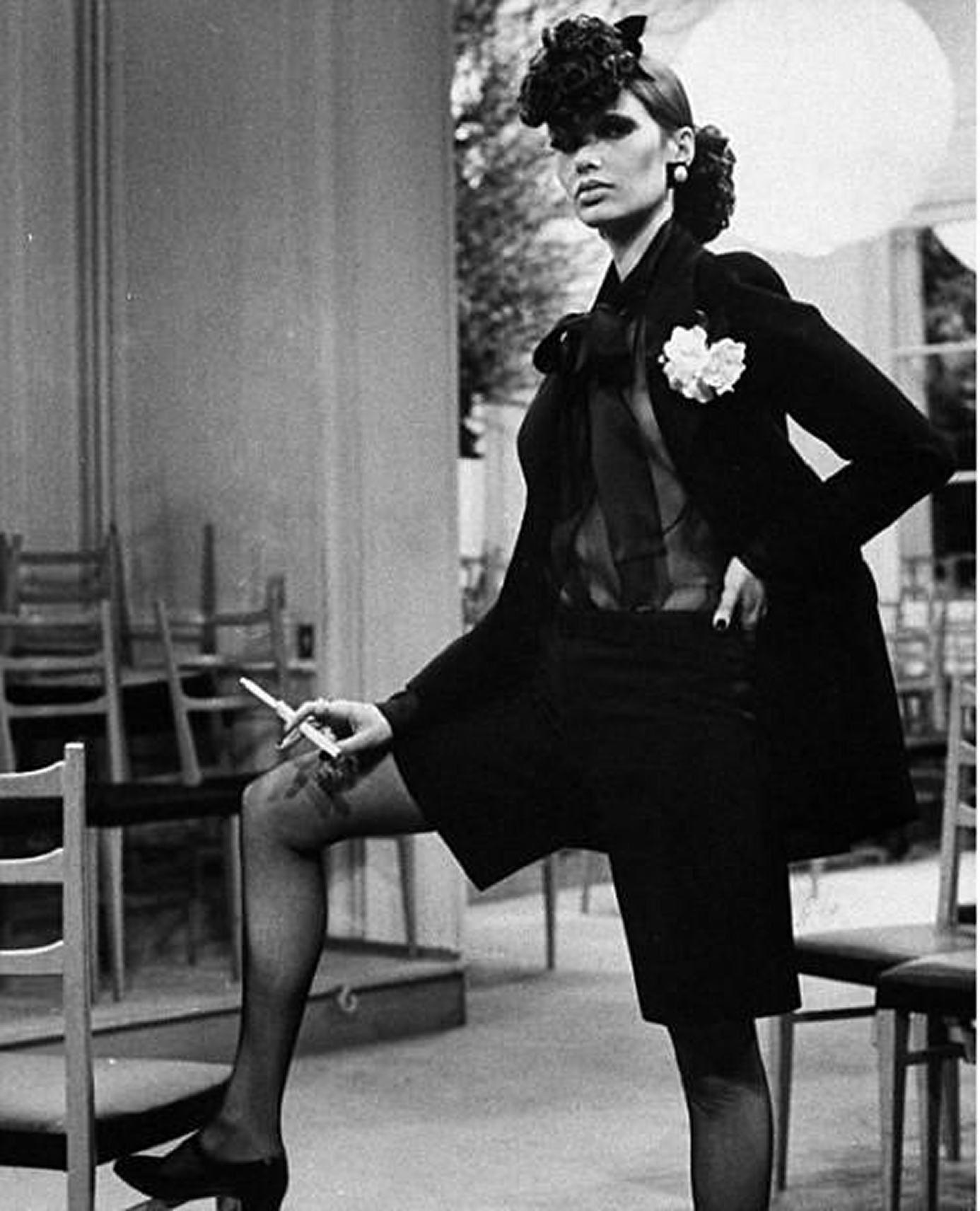
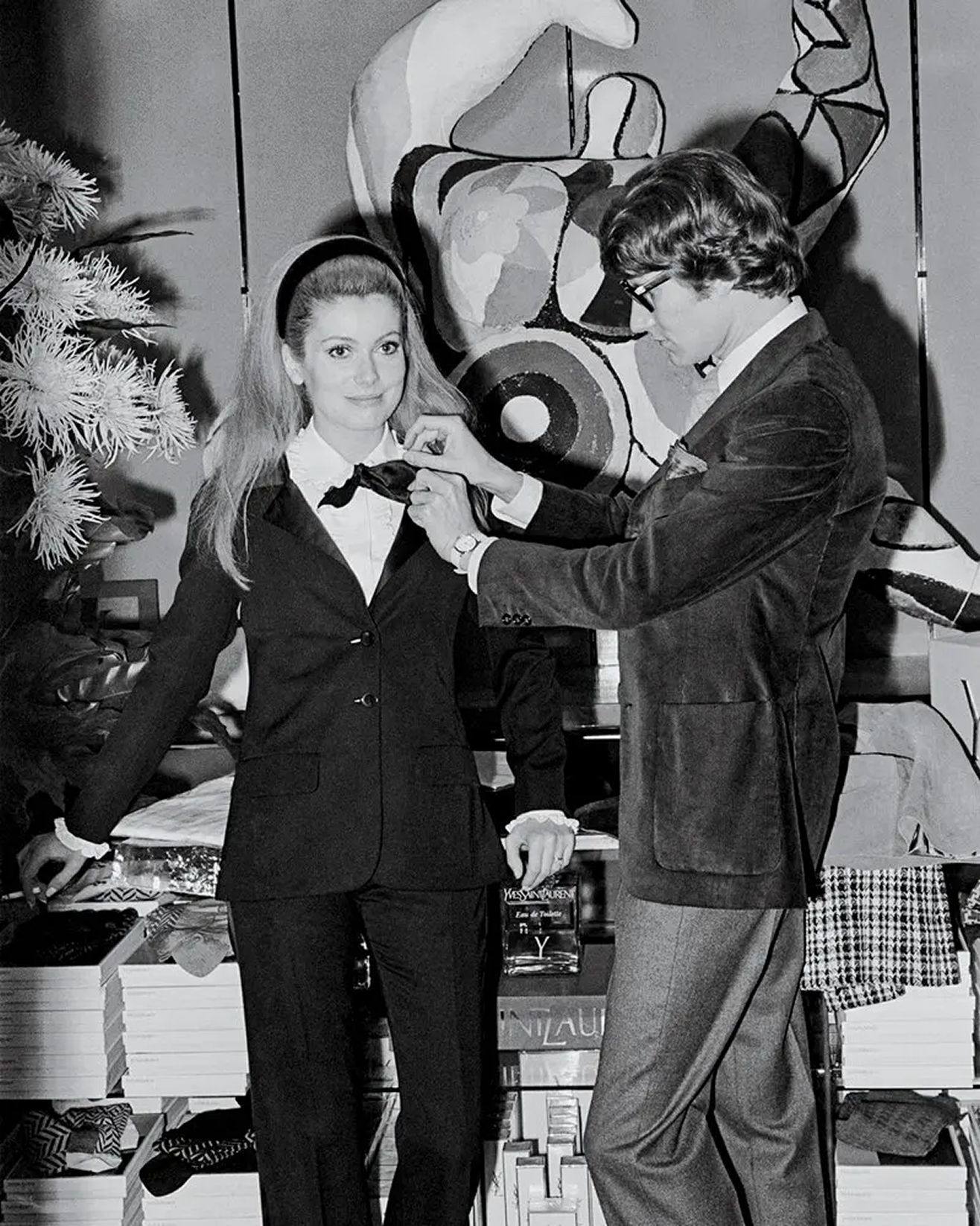
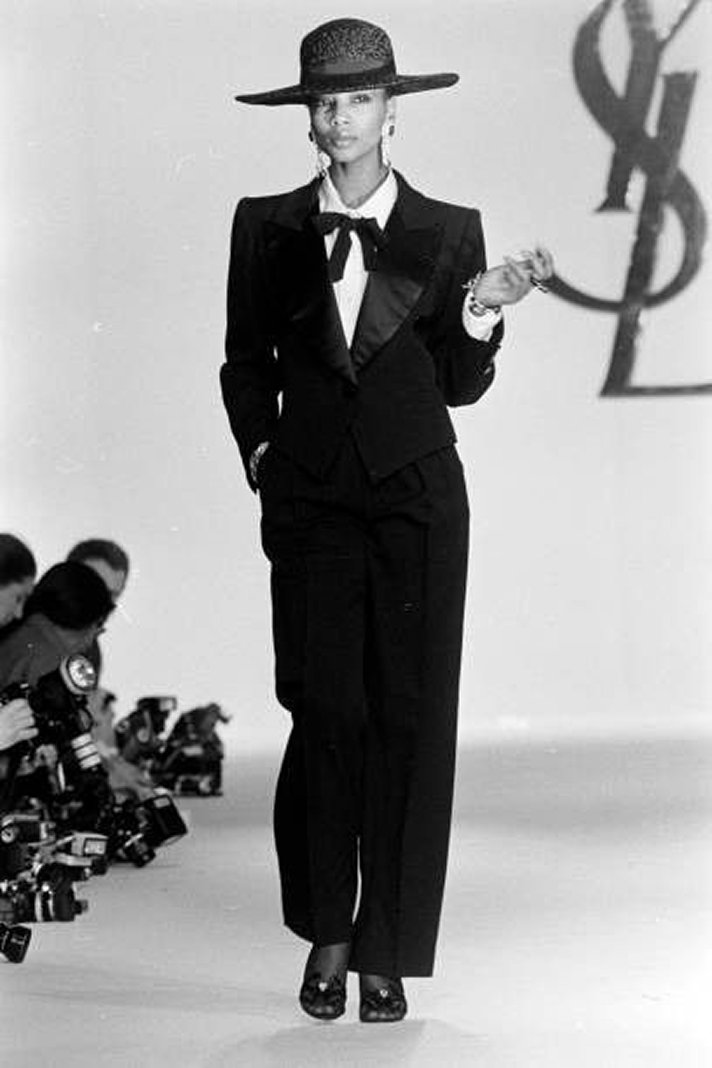
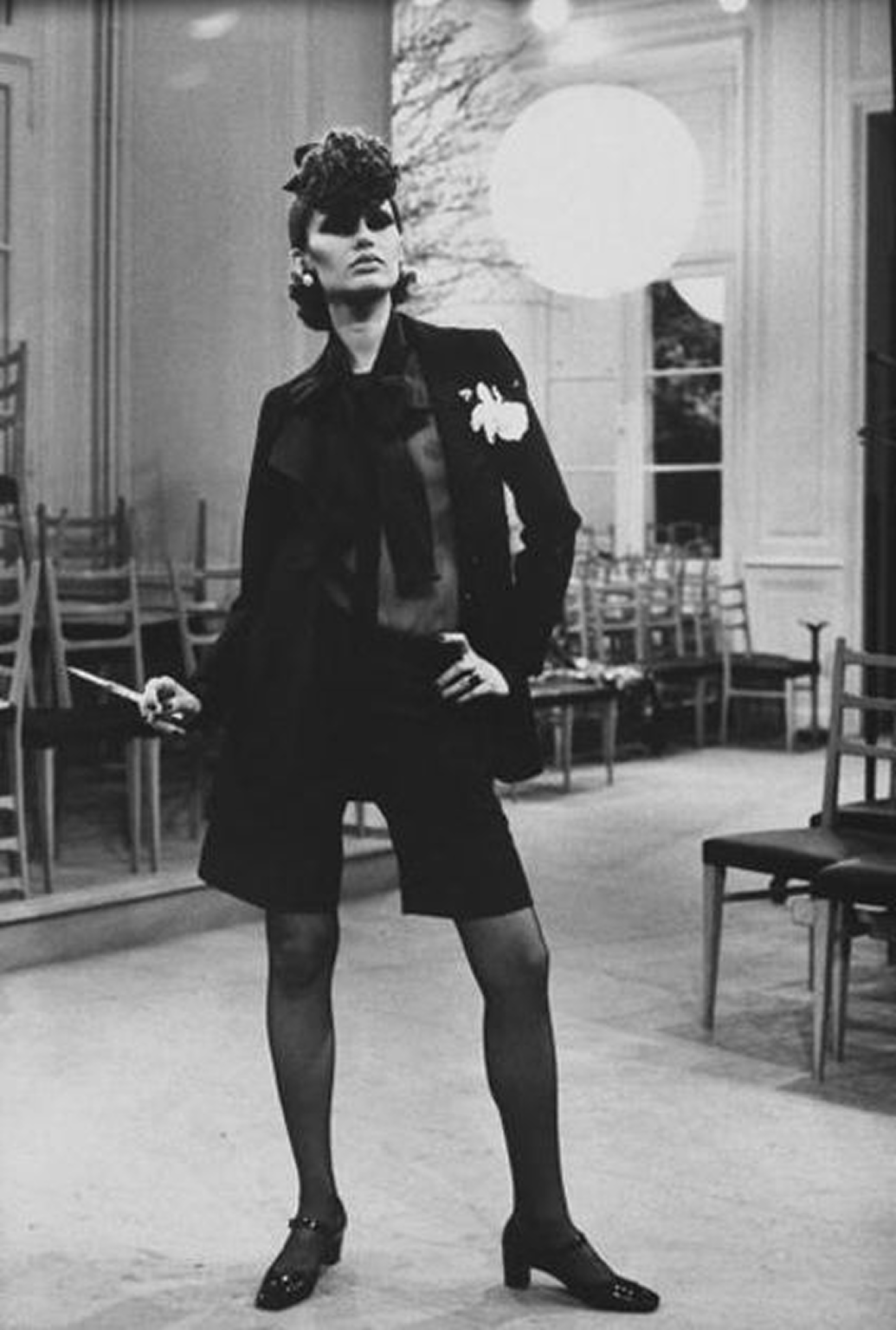
We like to say: “Yves Saint Laurent empowered women.” It sounds good. It closes the story nicely. But it also skips something. Because it makes it look like the shift started with the design. And I don’t think that’s true.
I believe the change started before it became visible.
Yves Saint Laurent was never someone who fully fit in. Even when he was young, he didn’t match the environment around him. Too sensitive. Too expressive. Too much. He didn’t belong. And people like that usually do one of two things: They either shrink themselves… or they leave.
He left.
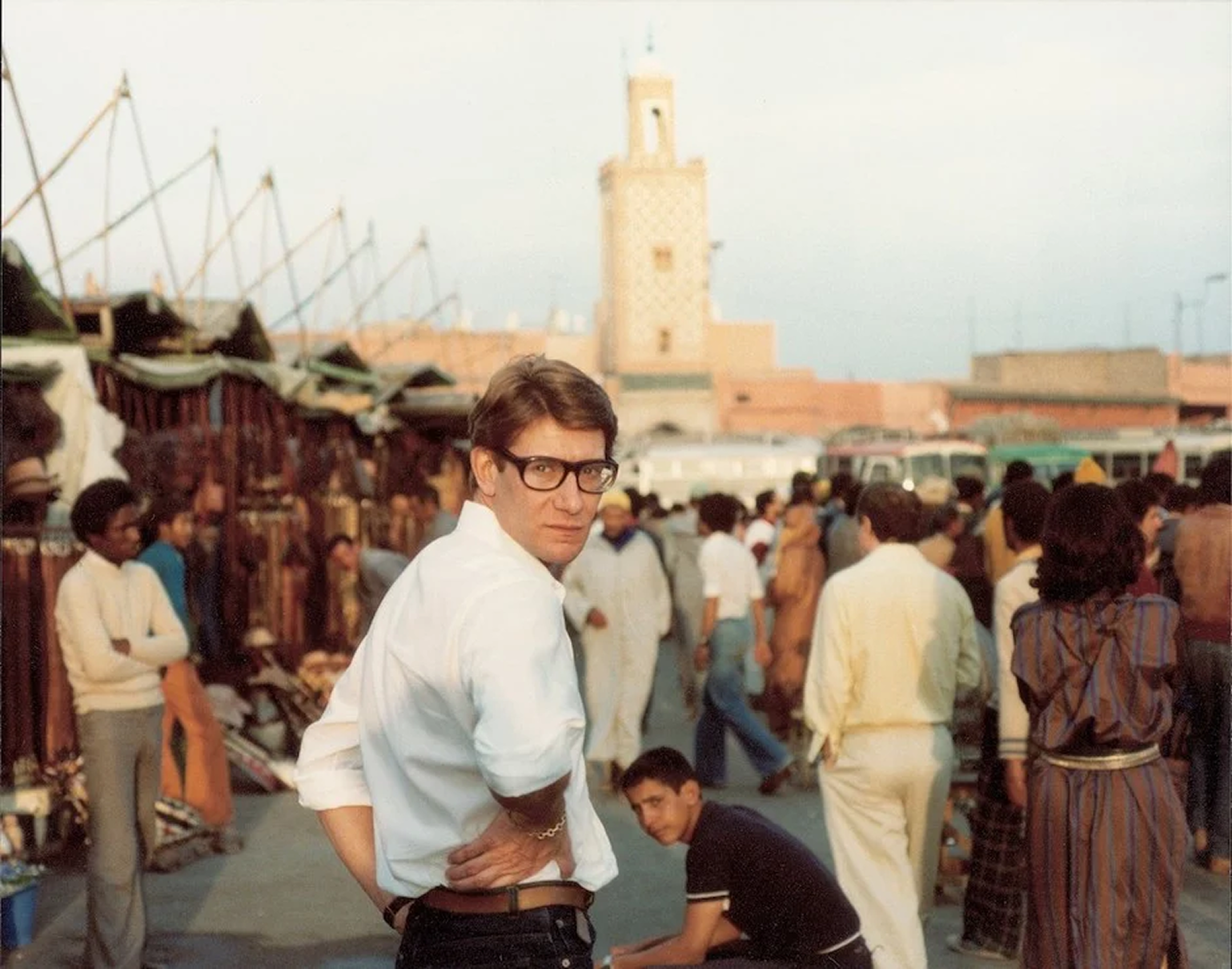
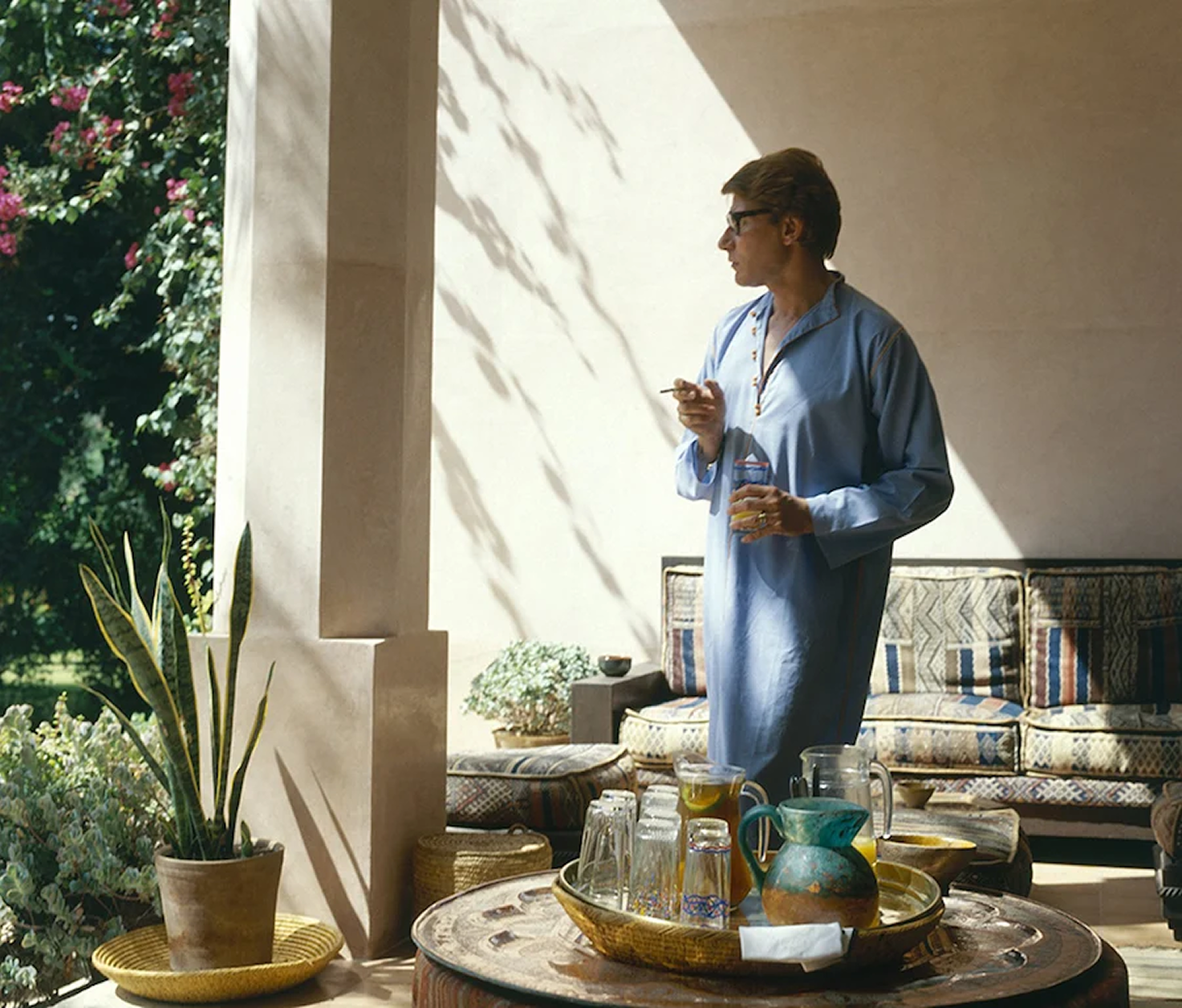
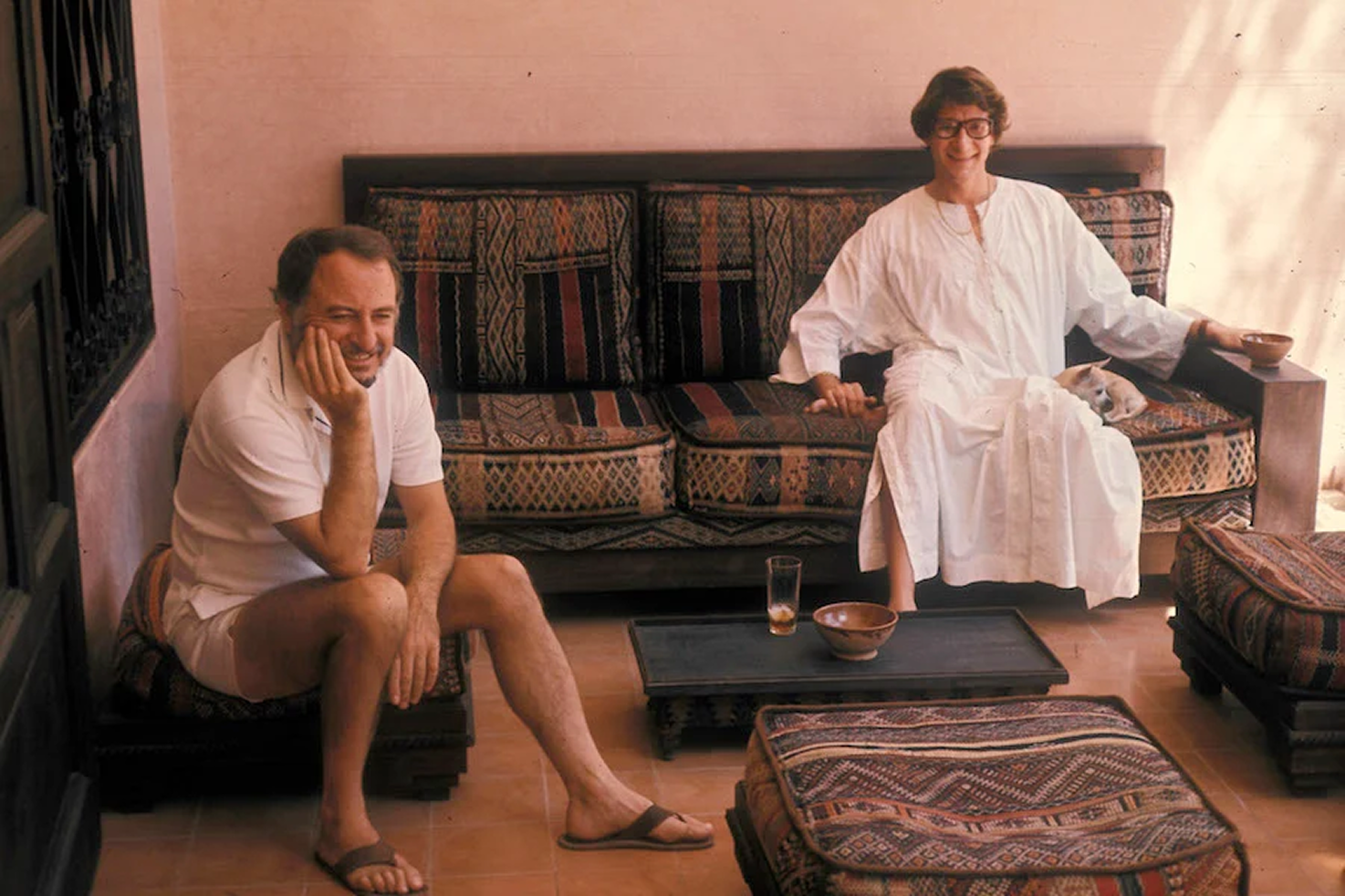
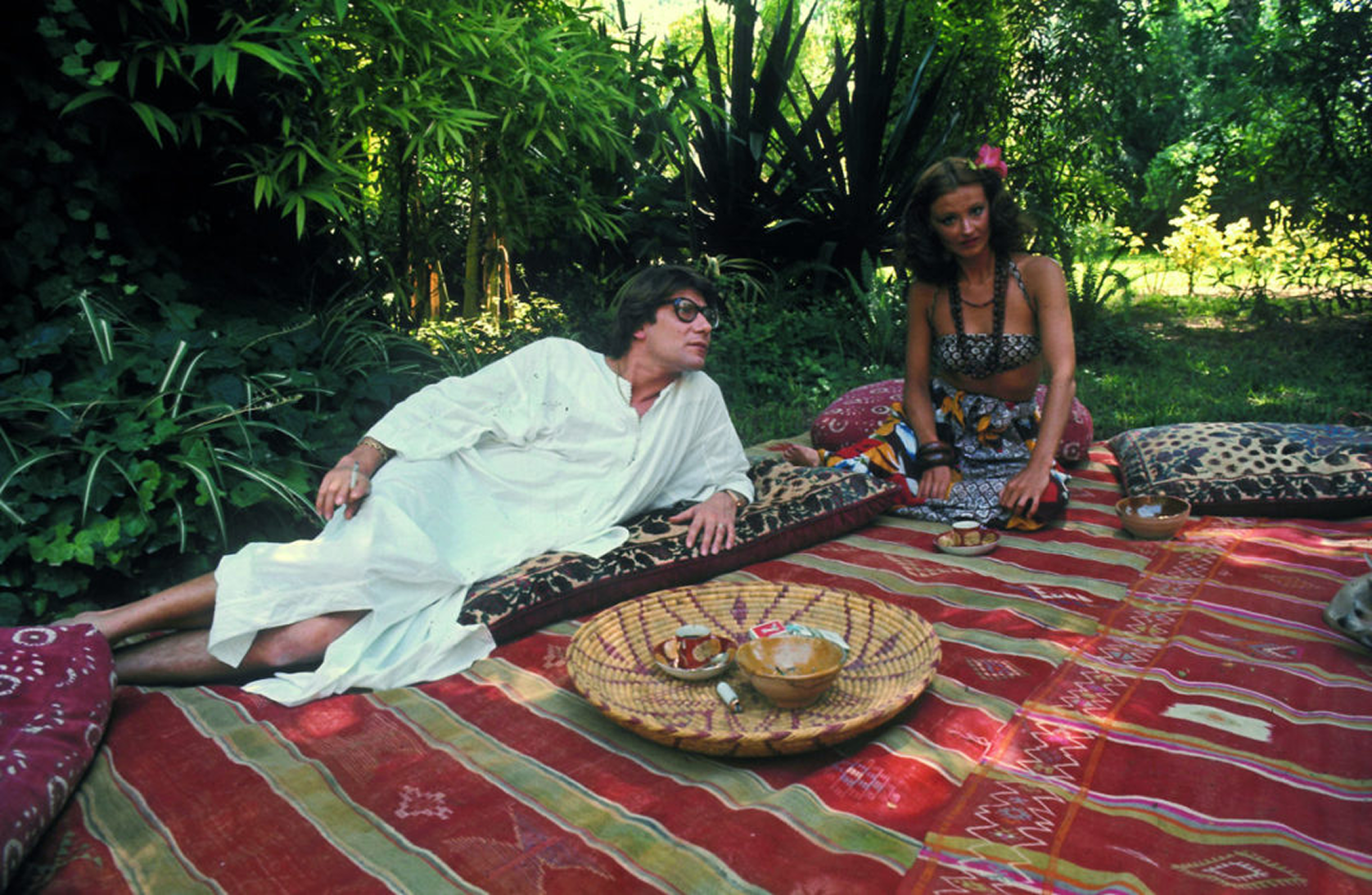
He went to Marrakech. And this is usually where people expect a clean “inspiration moment.” Colors. Culture. Aesthetic influence. But to be honest, it doesn’t feel like inspiration. It feels like distance. Like stepping out of a system just to see what’s left of you. And maybe for the first time, he had to deal with a more uncomfortable question: If no one knows you… who are you? That question is more dangerous than any design decision. Because once you sit with it, you can’t really go back unchanged.
In Marrakech, he didn’t just observe. He experienced something else: Different people, different ways of living, coexisting without one “correct” version. And that does something to your brain. You start questioning things you didn’t even realize were rules. That’s where the shift happens. Not in the product. In perception.
“Before Marrakech, everything was black.”
It was only after that that his work began to transform. Women moved into trousers. The tuxedo returned, altered. But this wasn’t a matter of style; it was a question of permission. Until then, women were expected to look a certain way. To remain within prescribed roles. To exist within invisible boundaries.
So what shifted wasn’t just the clothing, it was the boundary itself. And that boundary didn’t break through design alone. It gave way because someone had already crossed it.
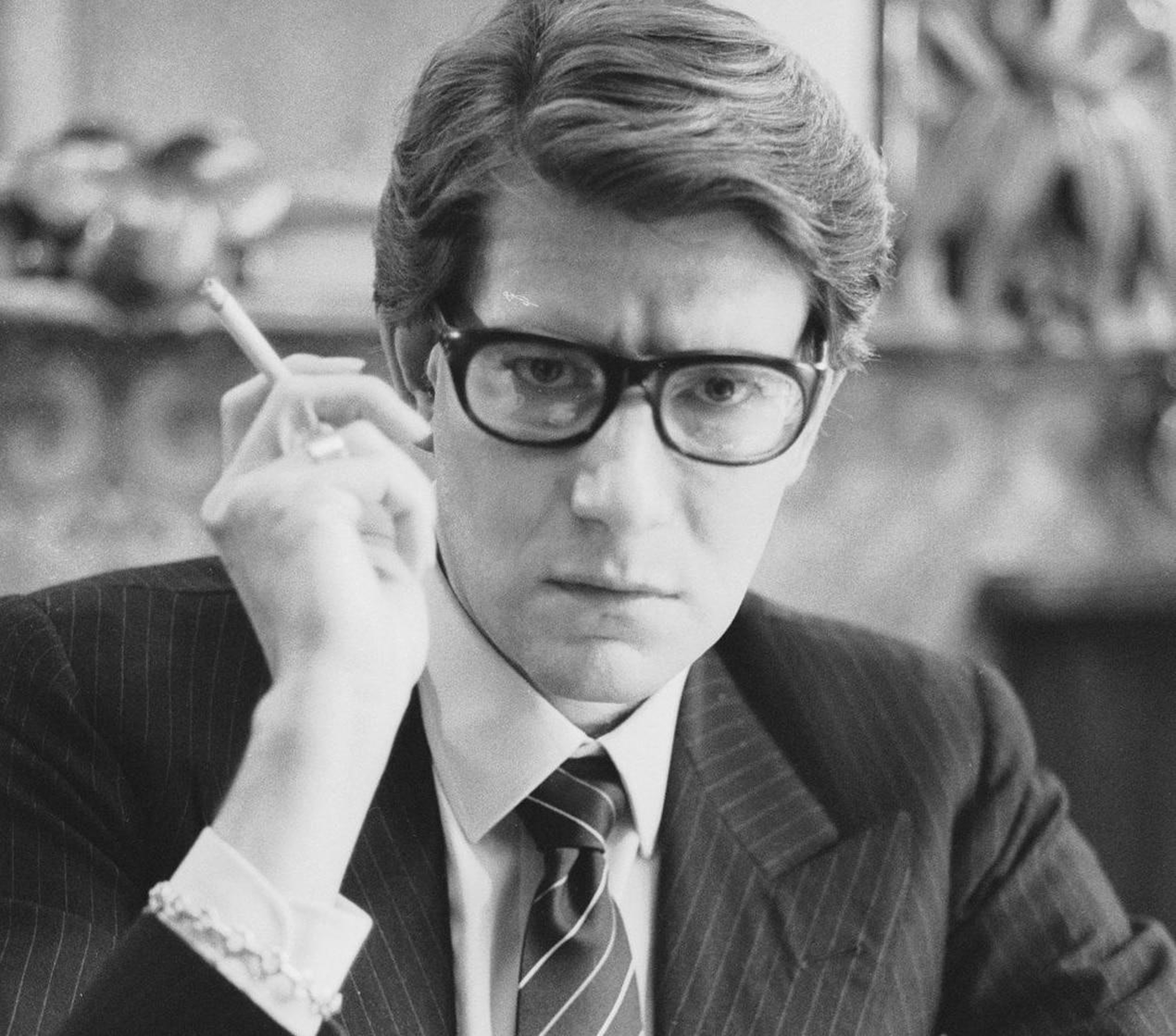
That’s the part that slips past us. We fixate on the outcome. But the real break begins long before, quietly, internally, with a certain discomfort. He didn’t just design differently. He perceived differently. Having already distanced himself from the system that once defined him. That is what made everything else possible. Not the product. The perspective.
This is not about fashion. It is about something harder to face. Are you in a place where you can be yourself? Or just one where you have learned to fit? Because sometimes, creating something new is not about adding more.
It is about what you are willing to leave behind.