
But Design Changes What Cold Means.
Metal feels cold.
That is usually the first thing we say about it. Before we talk about its strength, durability, precision, or beauty, we talk about the sensation. The touch. The immediate reaction of the body.
And physically, it makes sense. Metal pulls heat from our skin faster than materials like wood, textile, or plastic. Even when it is at the same room temperature, it feels colder because our body reads that quick heat transfer as distance.
But I don’t think “cold” is only about temperature. In design, coldness carries meaning.
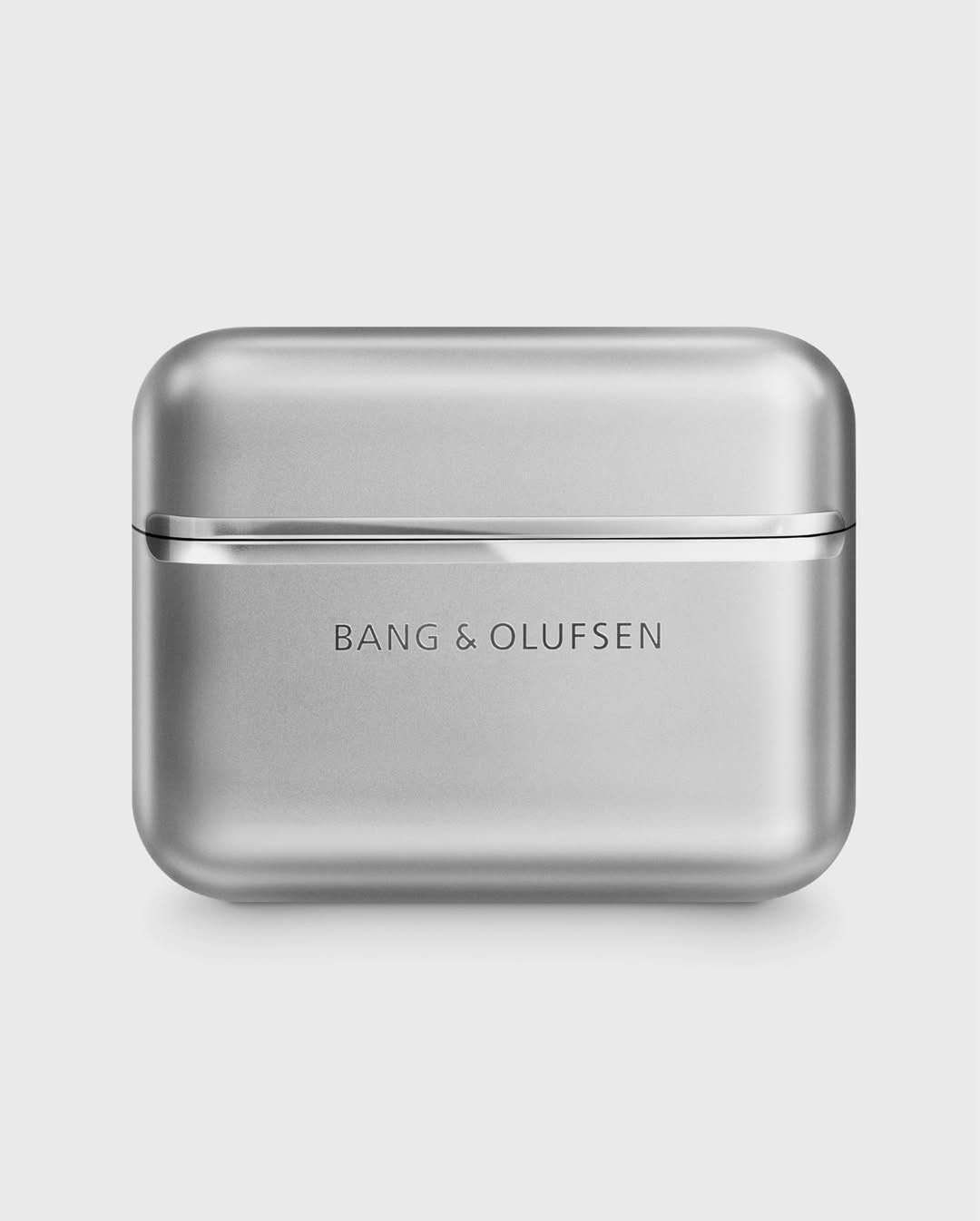
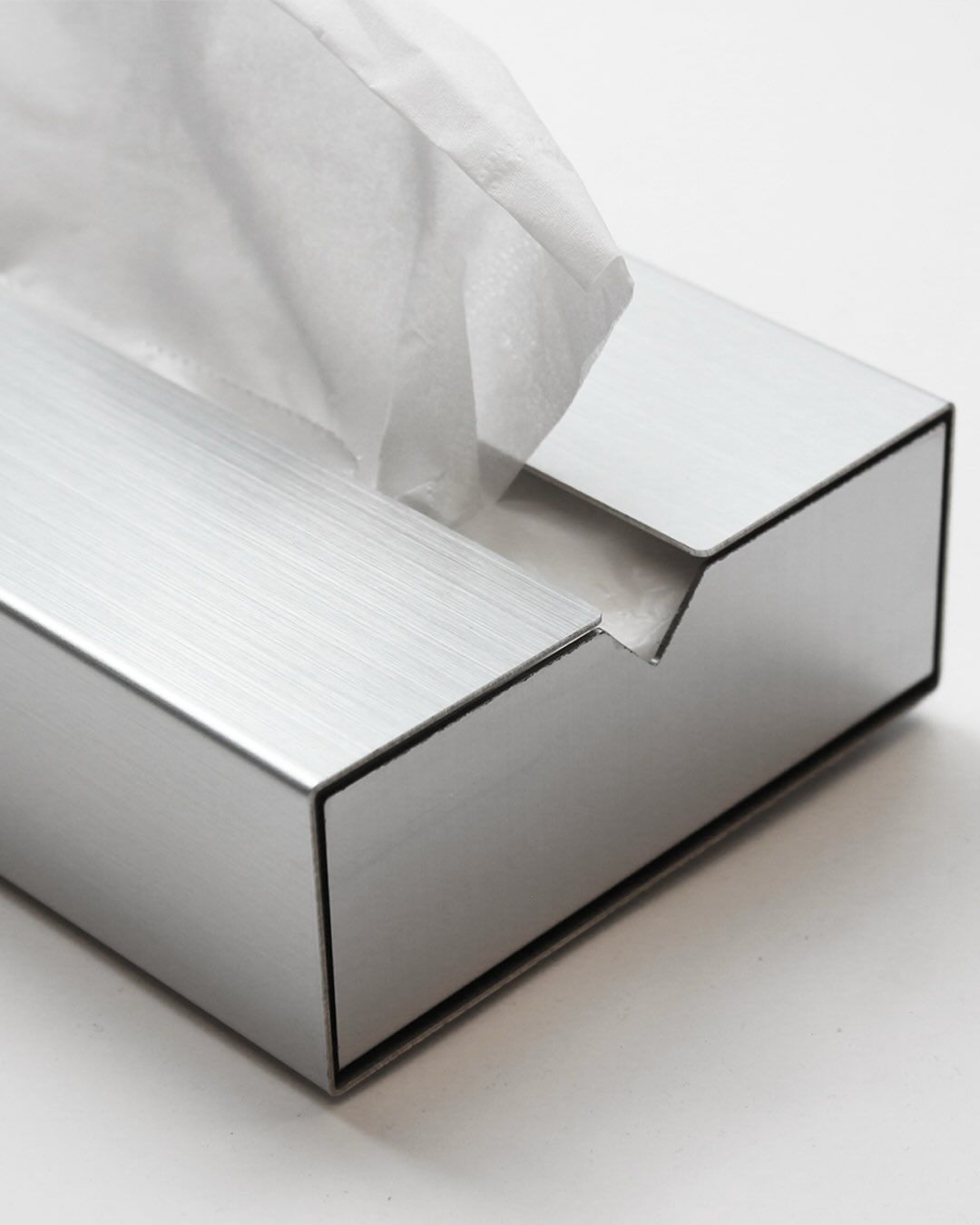
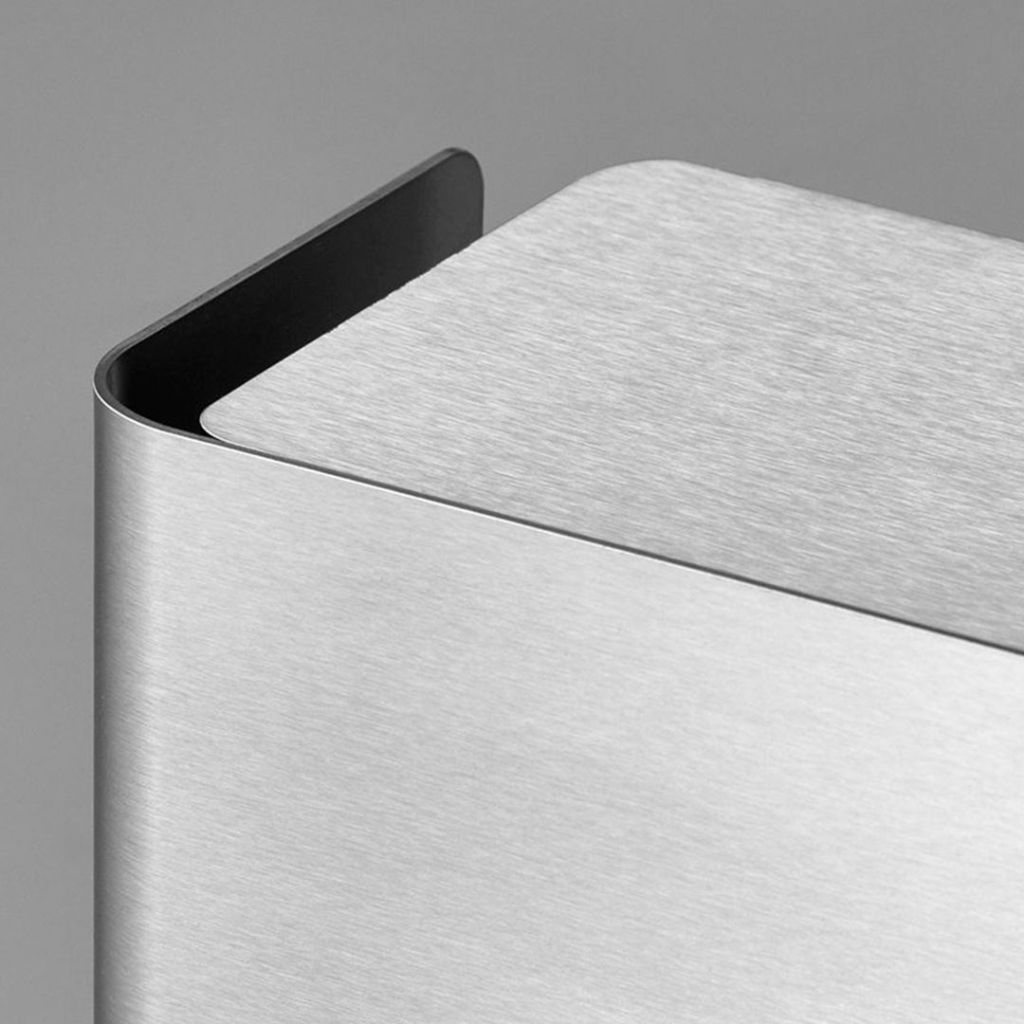
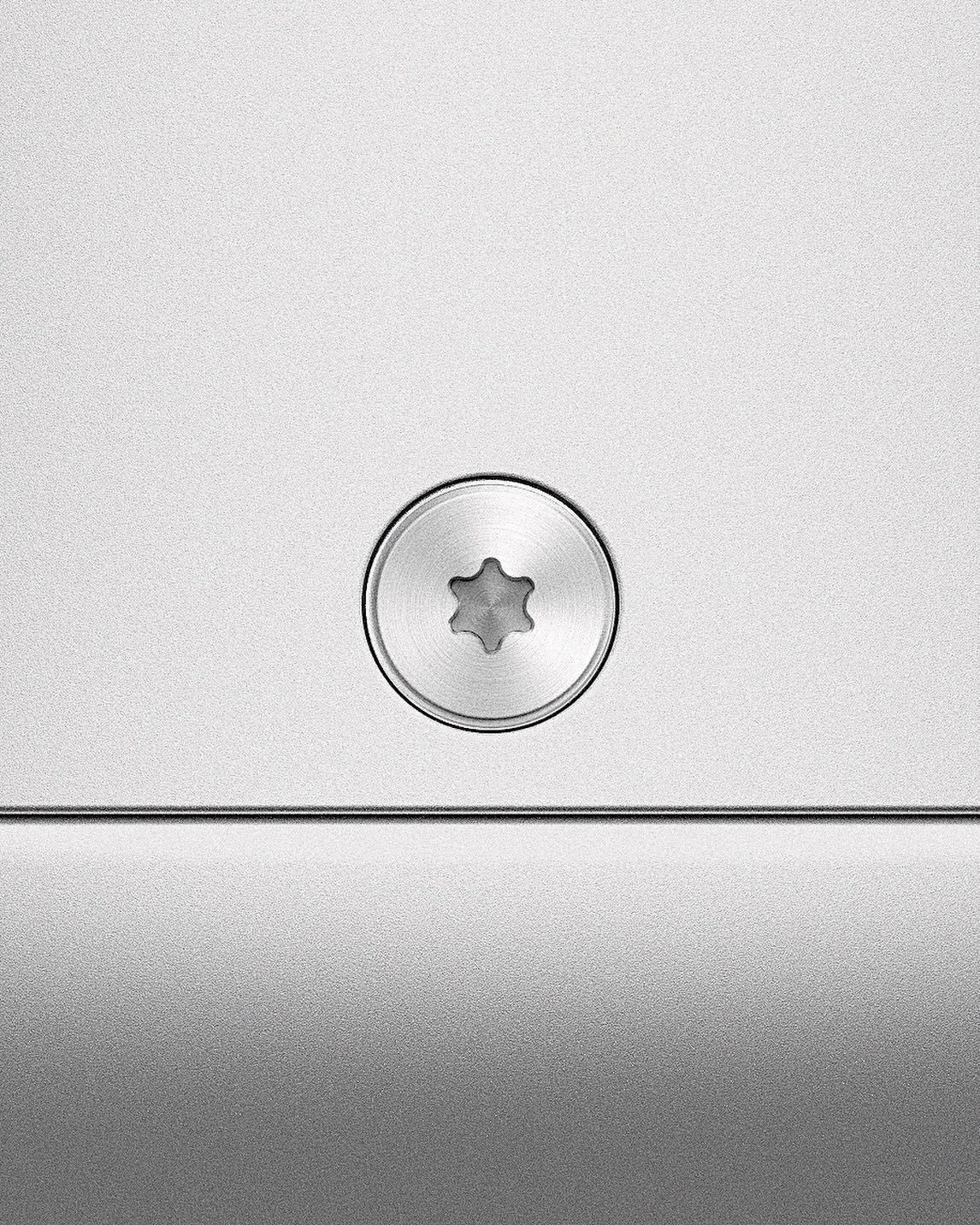
Metal feels precise. Controlled. Engineered. Untouchable. It has this emotional distance built into it. It does not invite you in the same way wood does. It does not absorb the traces of the body like textile. It does not feel casual like plastic. Metal often feels like something that has been calculated, machined, and perfected.
Maybe that is why we keep using it when we want objects to feel more advanced than human.
In the 90s and early 2000s, metal became one of the strongest visual languages of the future. Shiny chrome surfaces, amorphic silver shapes, liquid metal objects, tech products, sunglasses, sneakers, phones, cameras. Everything started to look aerodynamic, alien, and slightly untouchable.
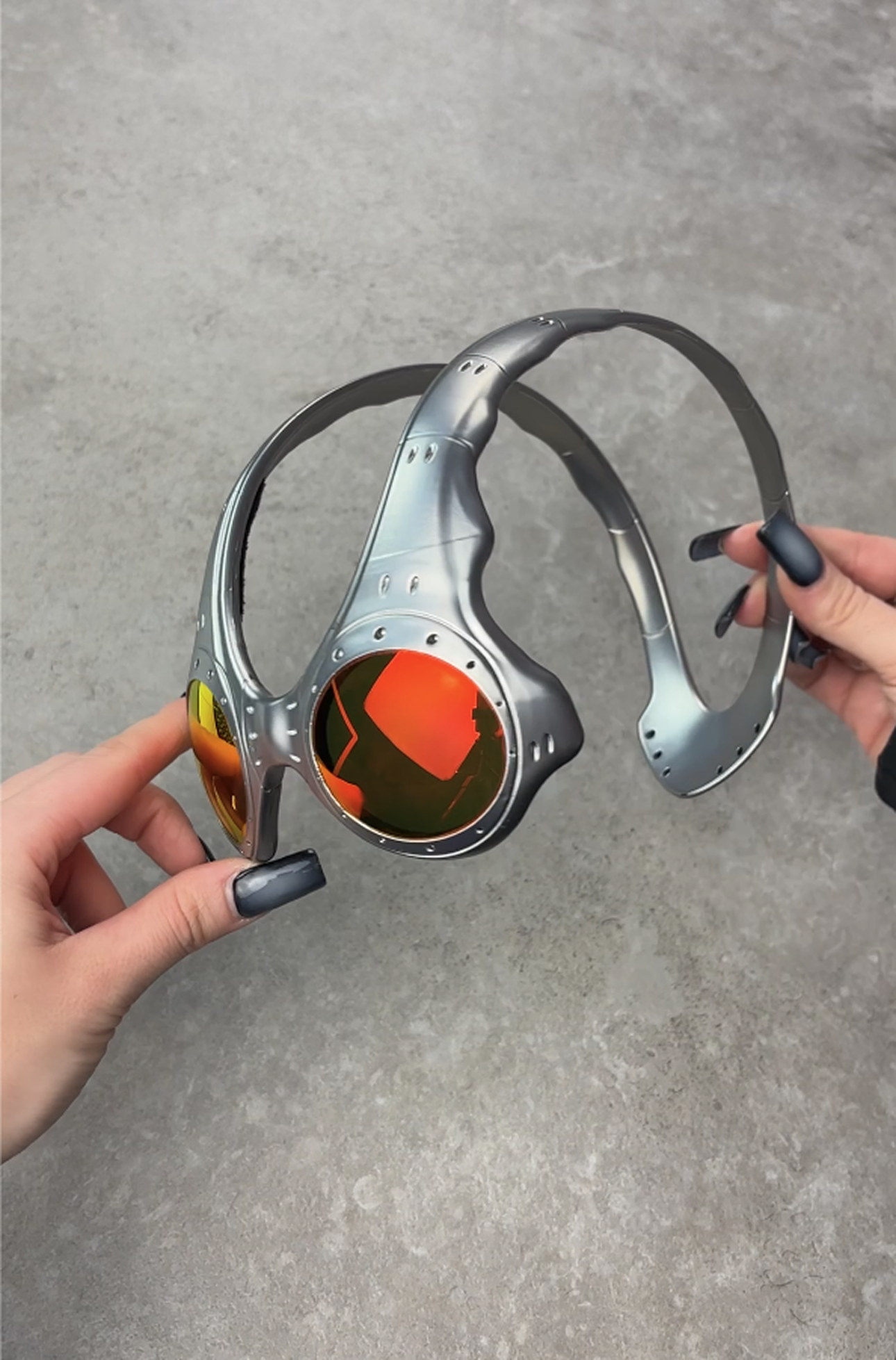
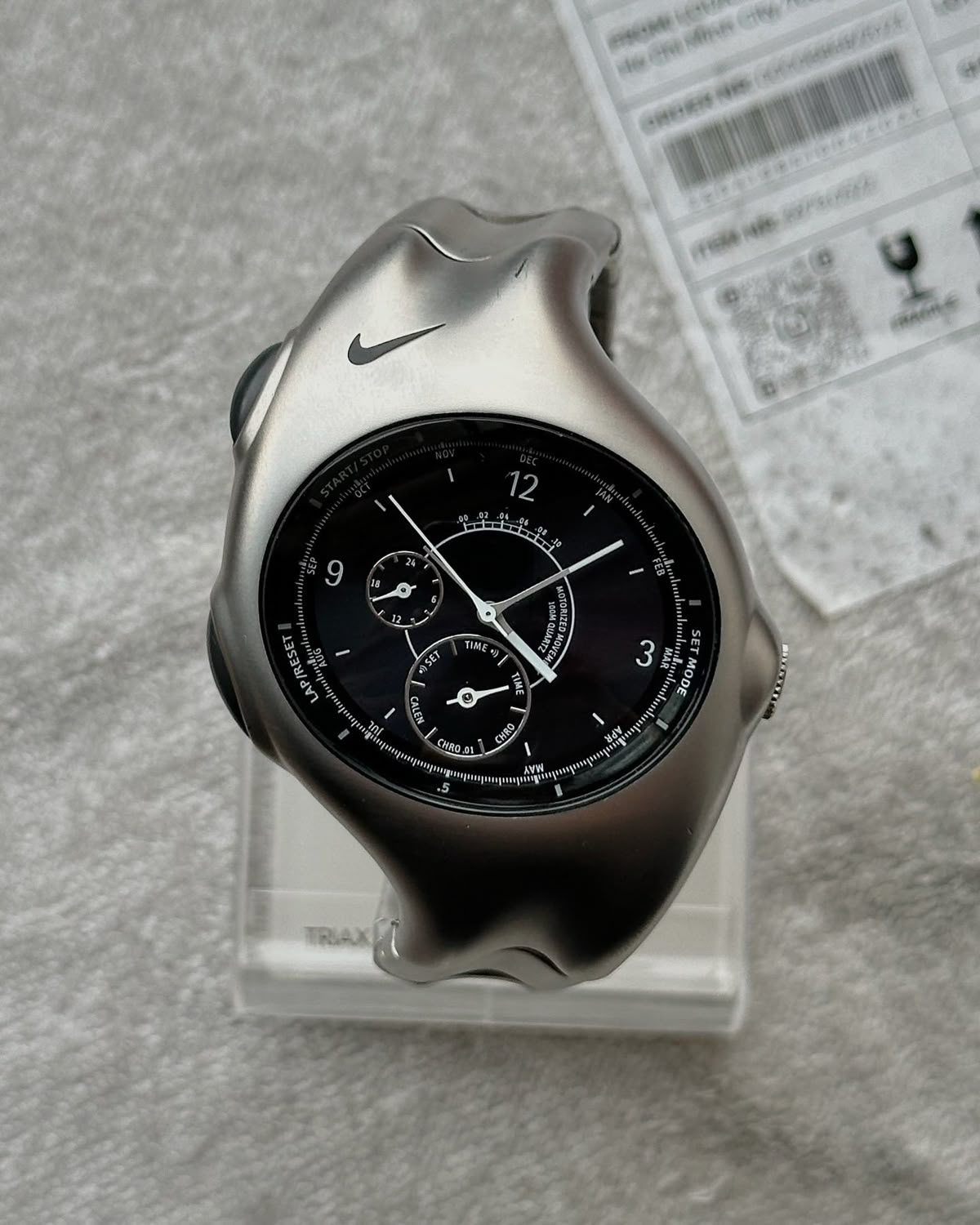
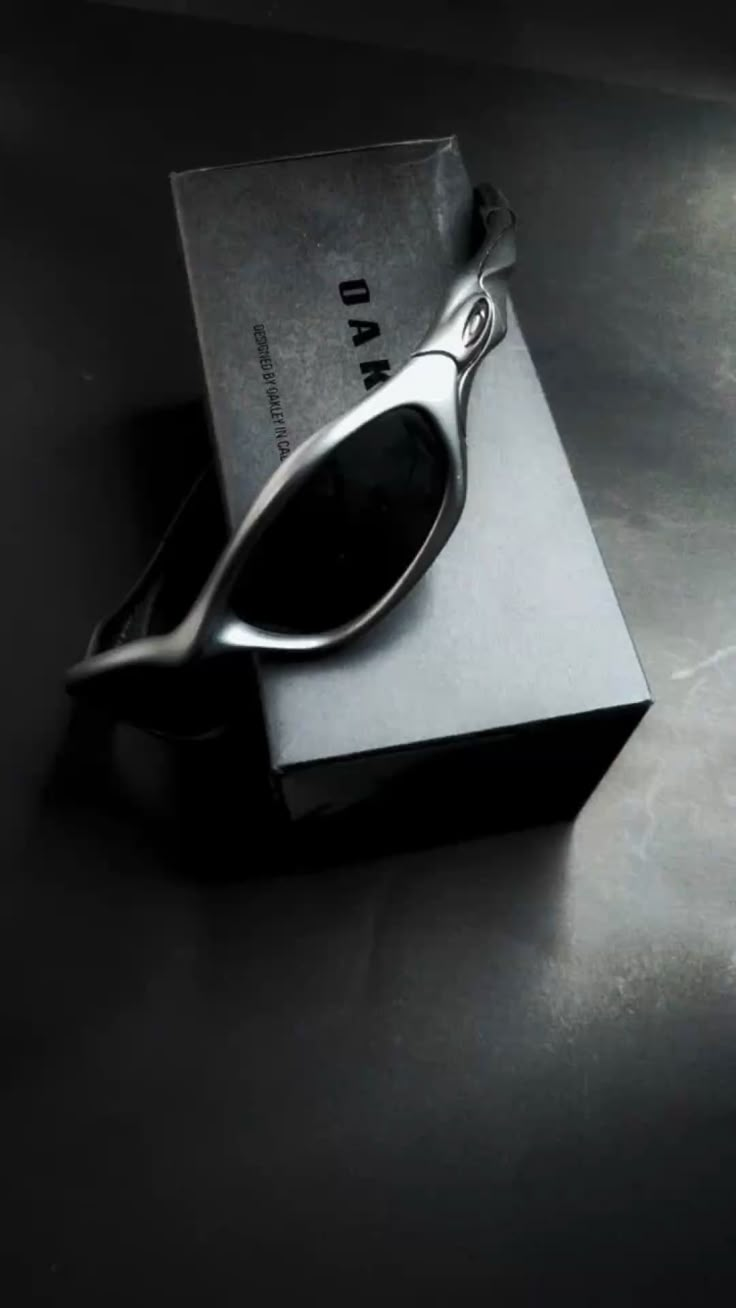
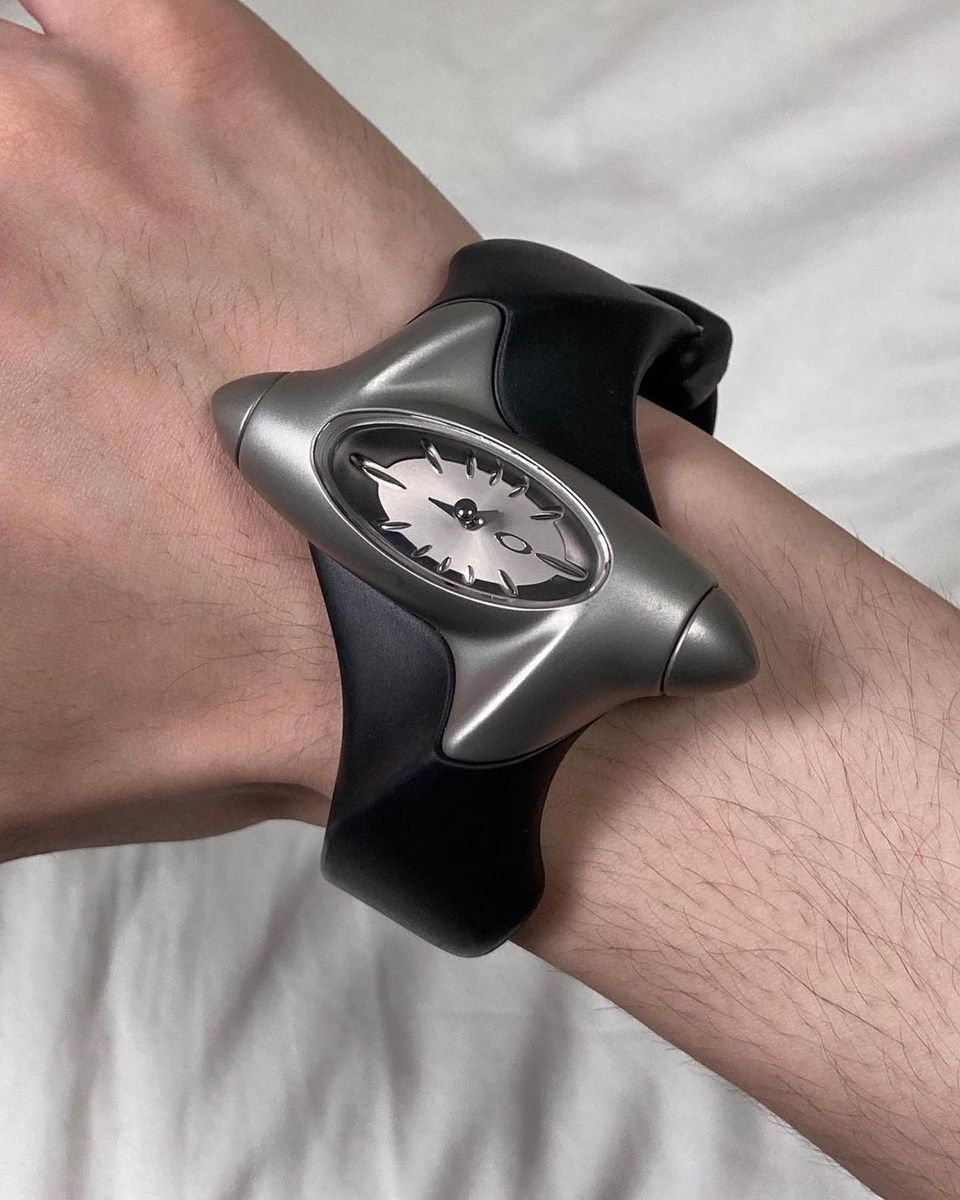
From left to right: Oakley Over The Top sunglasses, Nike Metal Triax Armored watch, Oakley X-Metal Romeo sunglasses, and Oakley Torpedo Watch
examples of the metallic, futuristic product language of the 2000s.
Those objects were not trying to feel warm. They were trying to feel faster than human. That version of metal was about speed, technology, and future shock. It looked like it came from tomorrow. Not soft. Not domestic. Not emotional in an obvious way. But still extremely desirable.
Then Apple changed the mood. With aluminium bodies, seamless edges, matte surfaces, and minimal forms, metal started to feel different. It was still cold, but the coldness became calmer. More intentional. Less cyber, more precise. Less alien, more trustworthy.
Apple did not make metal warm. It made coldness feel premium.
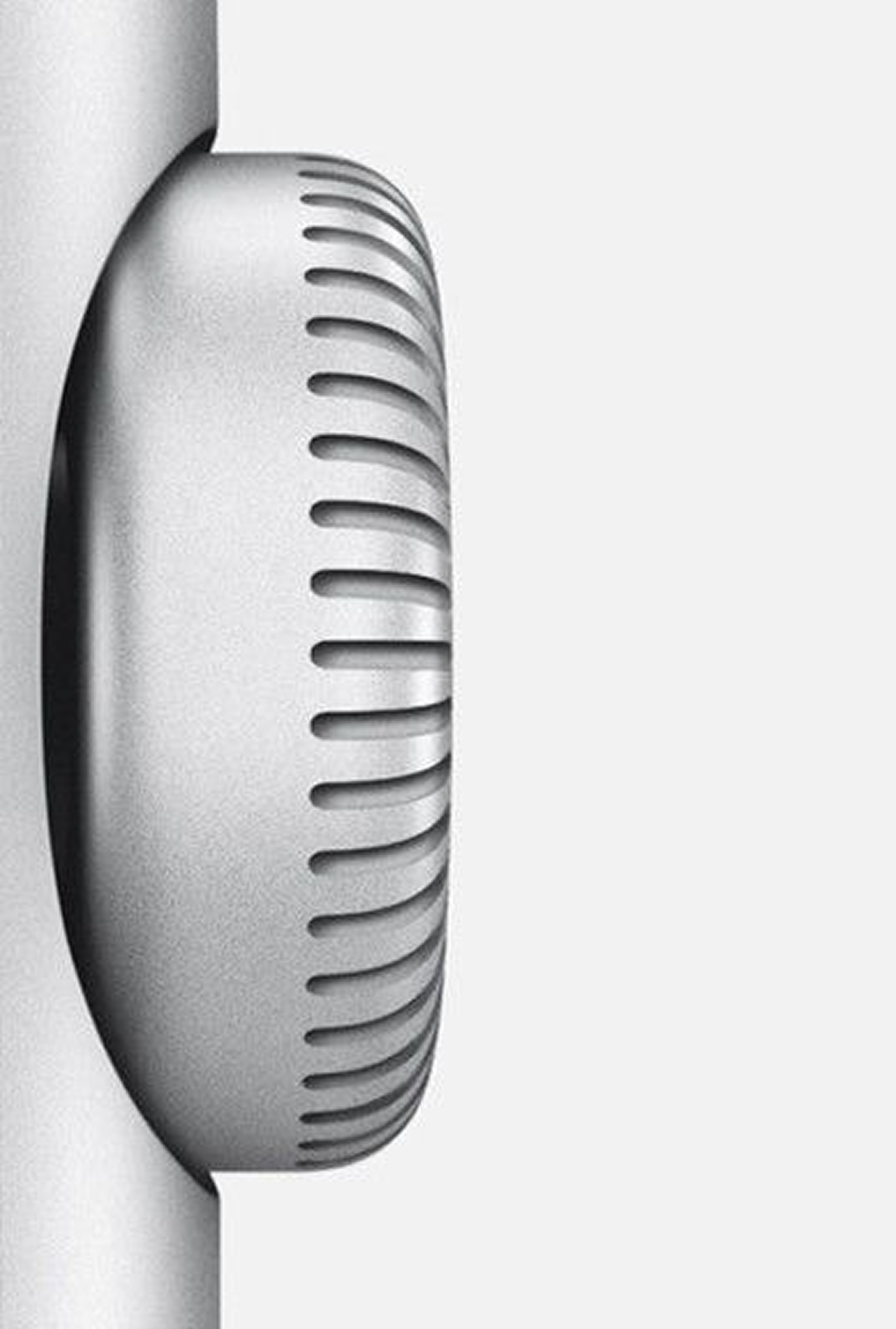
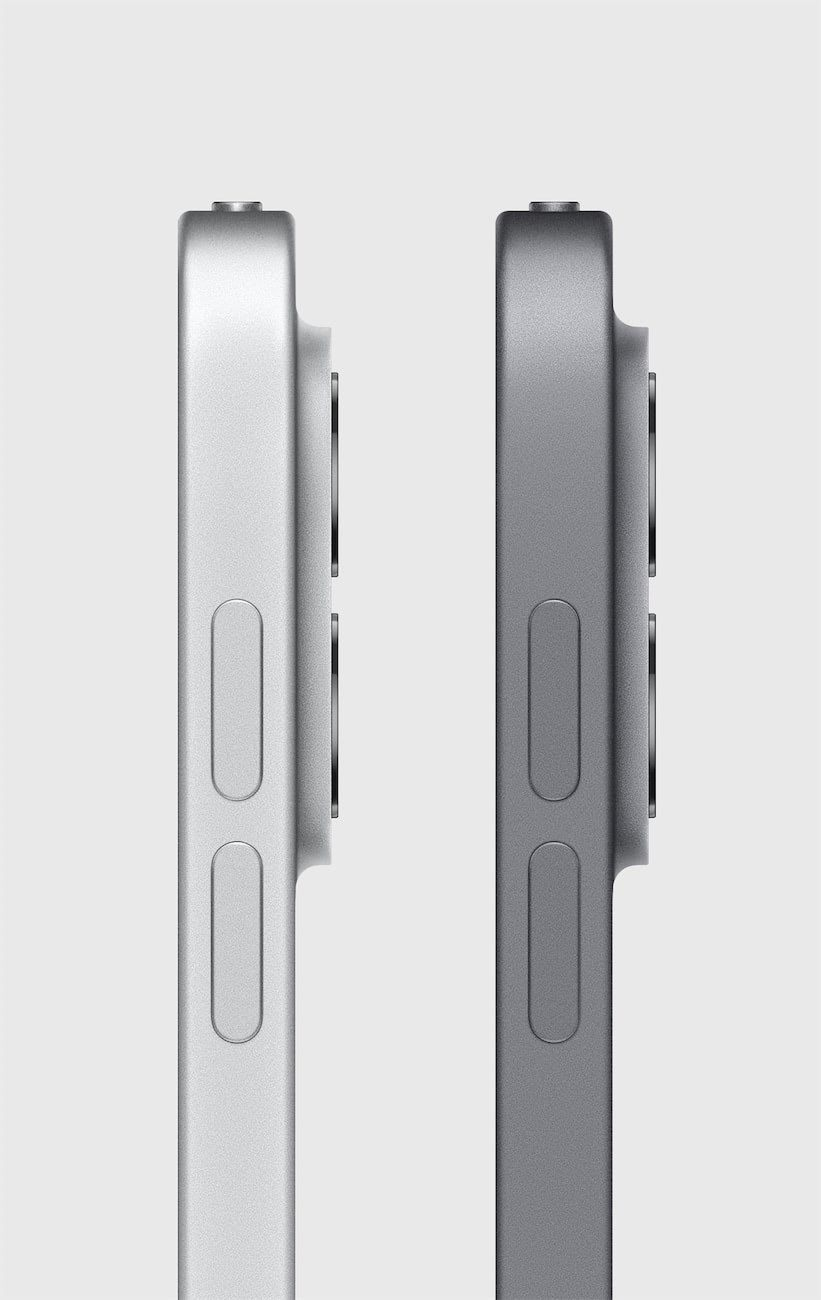
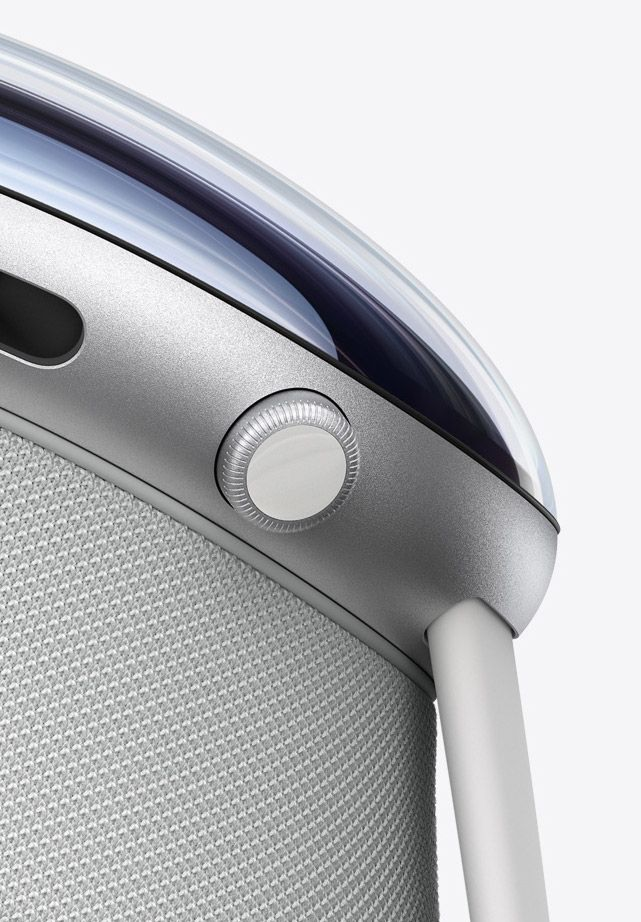
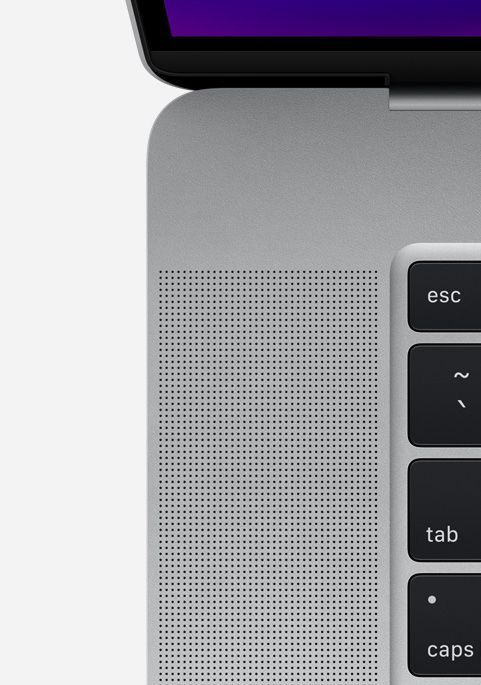
That shift is interesting because it shows that material perception is never fixed. A material does not have one emotional meaning. The same aluminium can feel industrial, futuristic, sterile, luxurious, architectural, or quiet depending on how it is shaped, finished, and placed in context.
Polished chrome can feel loud and futuristic. Brushed aluminium can feel technical and precise.
Powder-coated metal can feel softer and more domestic. Thin metal profiles can feel light. Heavy metal structures can feel permanent. Metal with glass feels architectural. Metal with wood feels warmer. Metal with textile feels more human.
So maybe the question is not “is metal cold?” Maybe the question is: what kind of coldness are we designing?
Because today, especially in furniture and interiors, metal is shifting again. It is no longer only a material for machines, technology, or industrial spaces. It can become a quiet structure. A modular system. A framework for living. Something that organizes space without dominating it.
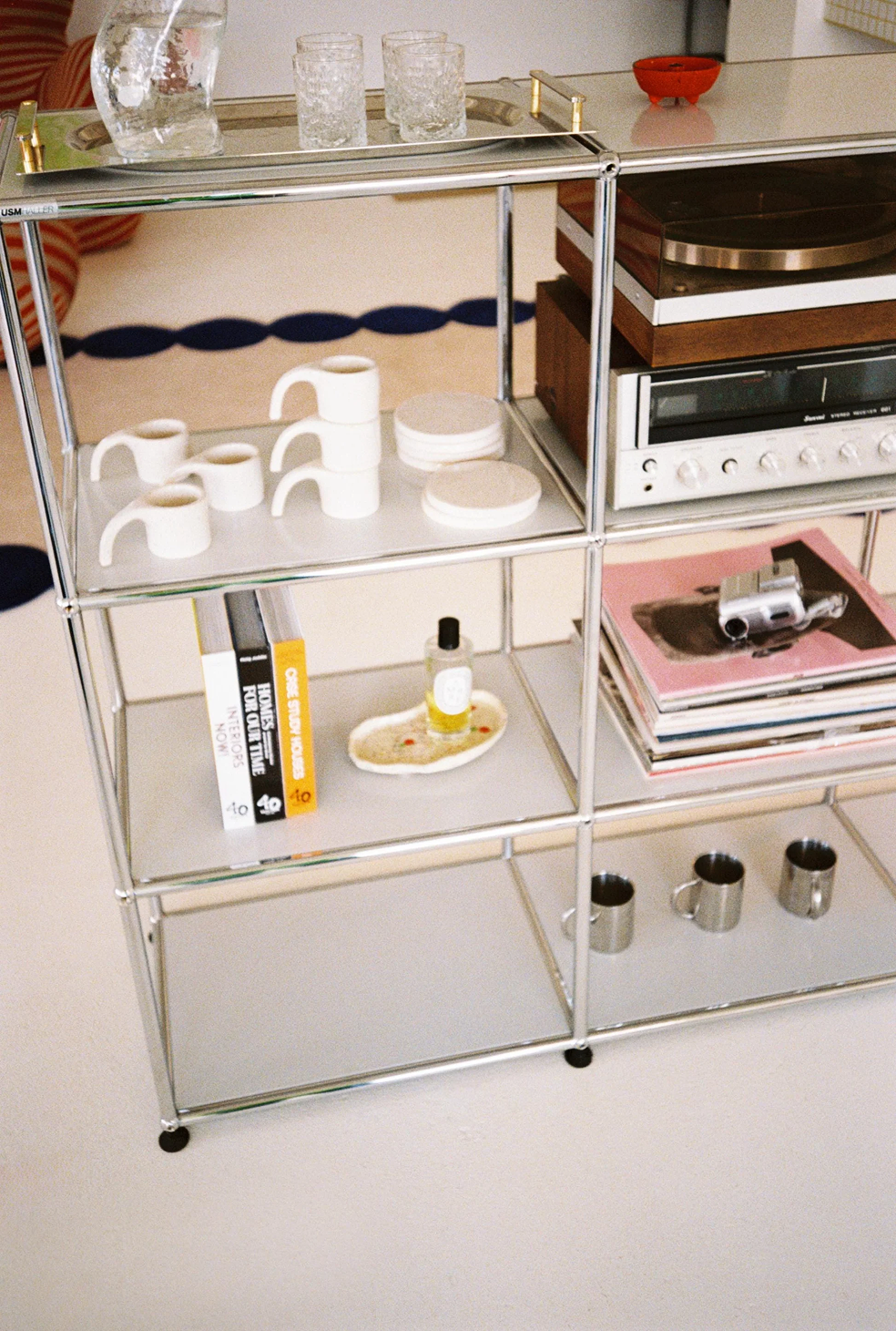
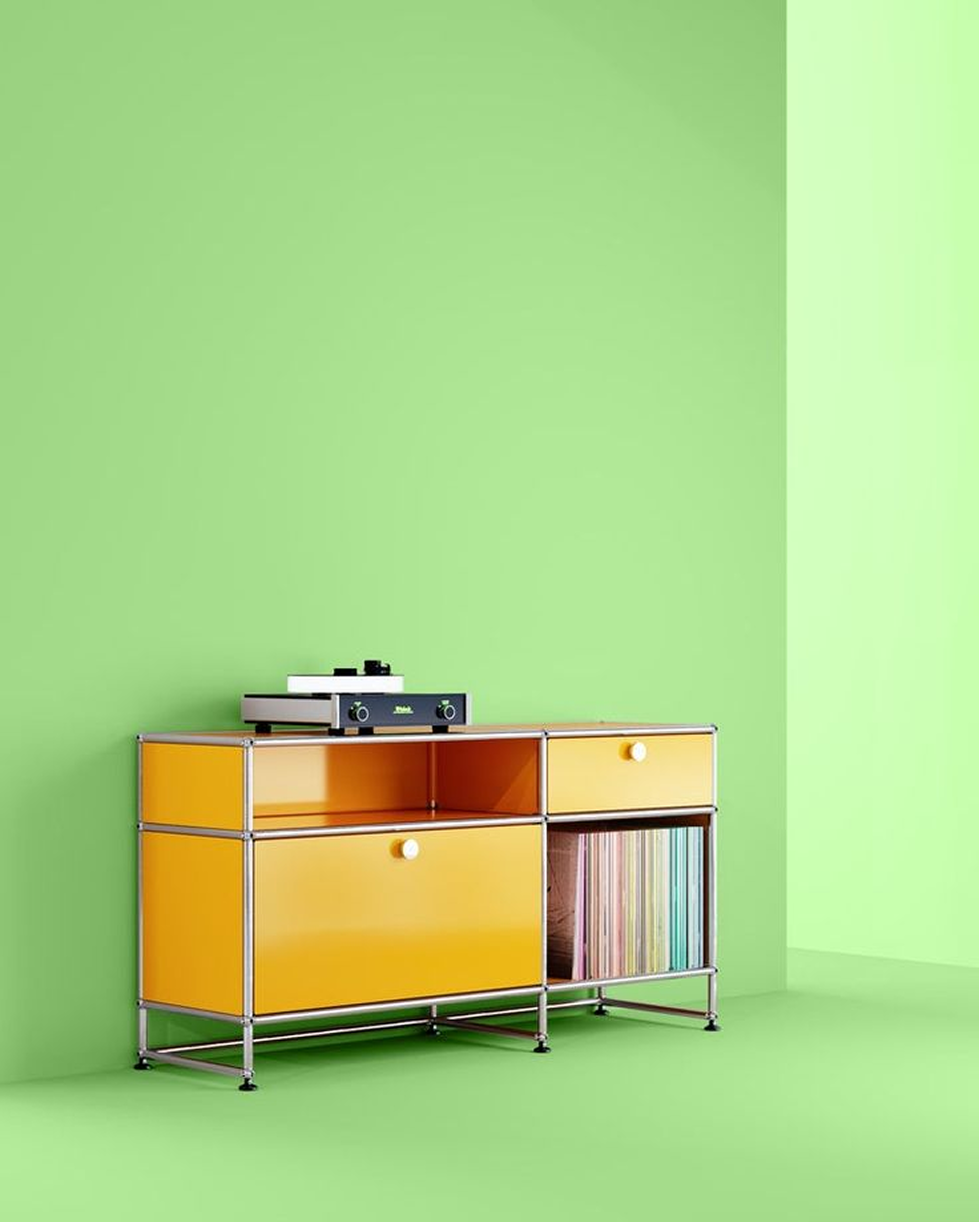
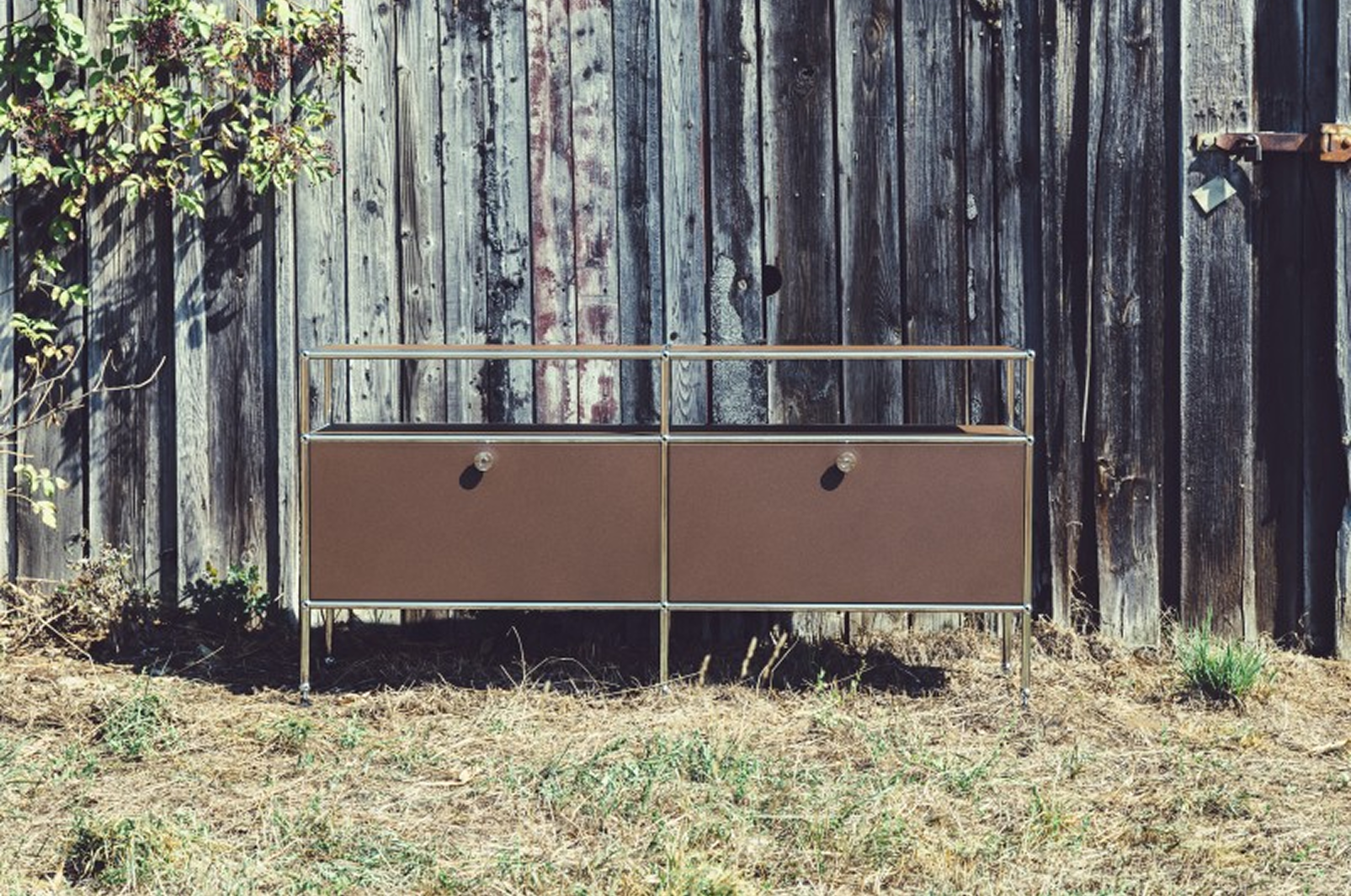
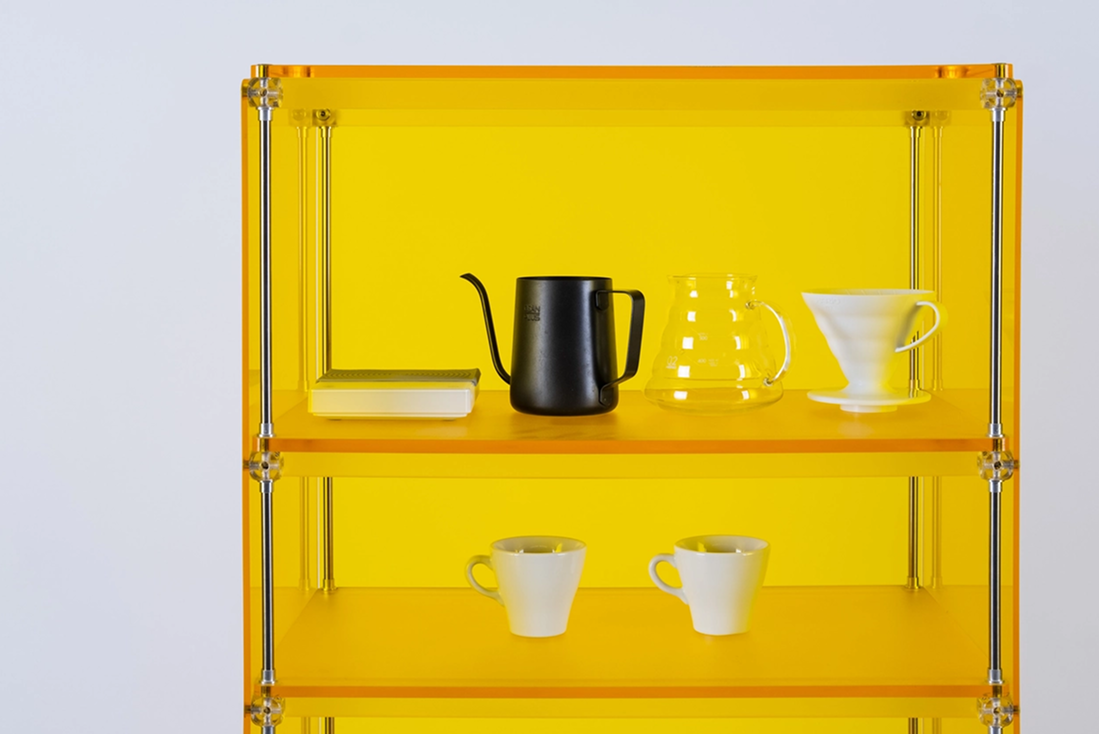
In that context, metal does not have to feel distant anymore. It can feel light. Flexible. Architectural. Almost calm. And this is where it becomes interesting for me.
When metal is only used as a surface, we read it as finish. As skin. As style. But when metal becomes a system, it starts doing something else. It starts shaping behavior. It defines rhythm, storage, openness, movement, and the relationship between objects and space.
It stops being just a material. It becomes a structure for how we live around it. So maybe metal was never just cold. Maybe metal has always been about control. The real question is whether that control feels sterile, futuristic, premium, calm, or human.
And that part is not decided by the material.
It is decided by design.