
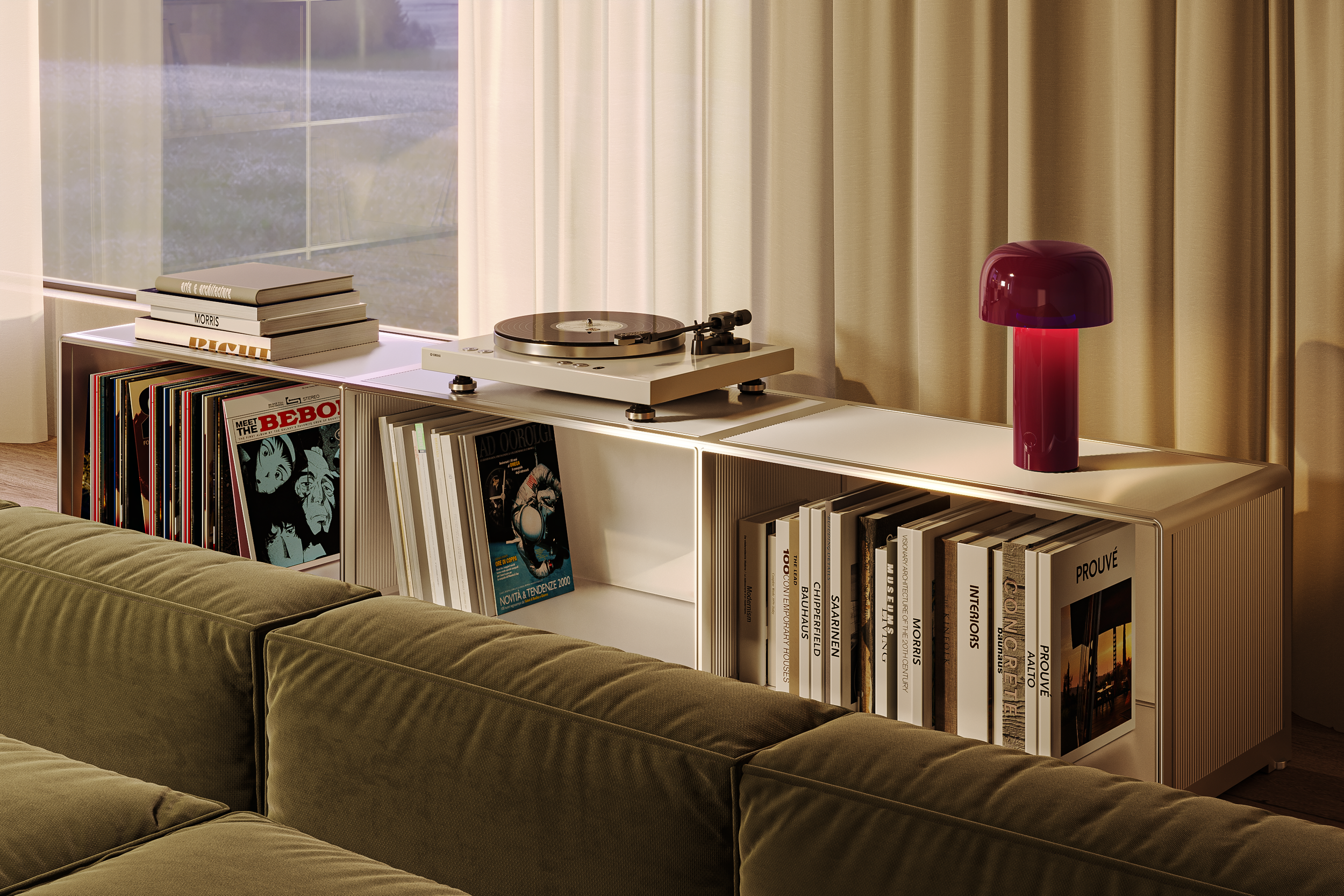
Client / Project Owner: MOD Studio
Founders: Hanna & Berk
Collaboration: Sila & Gökhan
Intro
MOD Studio started with a simple but layered question:
how can a modular furniture system feel flexible and practical, without becoming visually generic?
Modular furniture is often built around function: efficiency, adaptability, scalability, and ease of assembly.
But through user and market research, we saw that modularity is not only about flexibility. It is also about how people understand the system, adapt it to their space, and emotionally relate to it over time.
This project explores how joints, profiles, structural details, and material transitions can do more than hold a system together. They can also shape the identity of the product.
Instead of treating structure as something to hide, we looked at how it could become part of the design language.
My Role
This project was developed for MOD Studio, founded by Hanna and Berk.
I was involved in the early stage of the project, leading the initial communication, research, and strategic framing. My focus was to understand the project ambition, user needs, market context, and the opportunity for a modular furniture system with a clear design identity.
I analyzed existing modular systems, mapped structural and visual patterns, and helped define the early design directions.
Gökhan led the detailed design development, manufacturability, and final visualizations, while I continued to contribute through feedback and design reviews to keep the concepts aligned with the initial strategy.
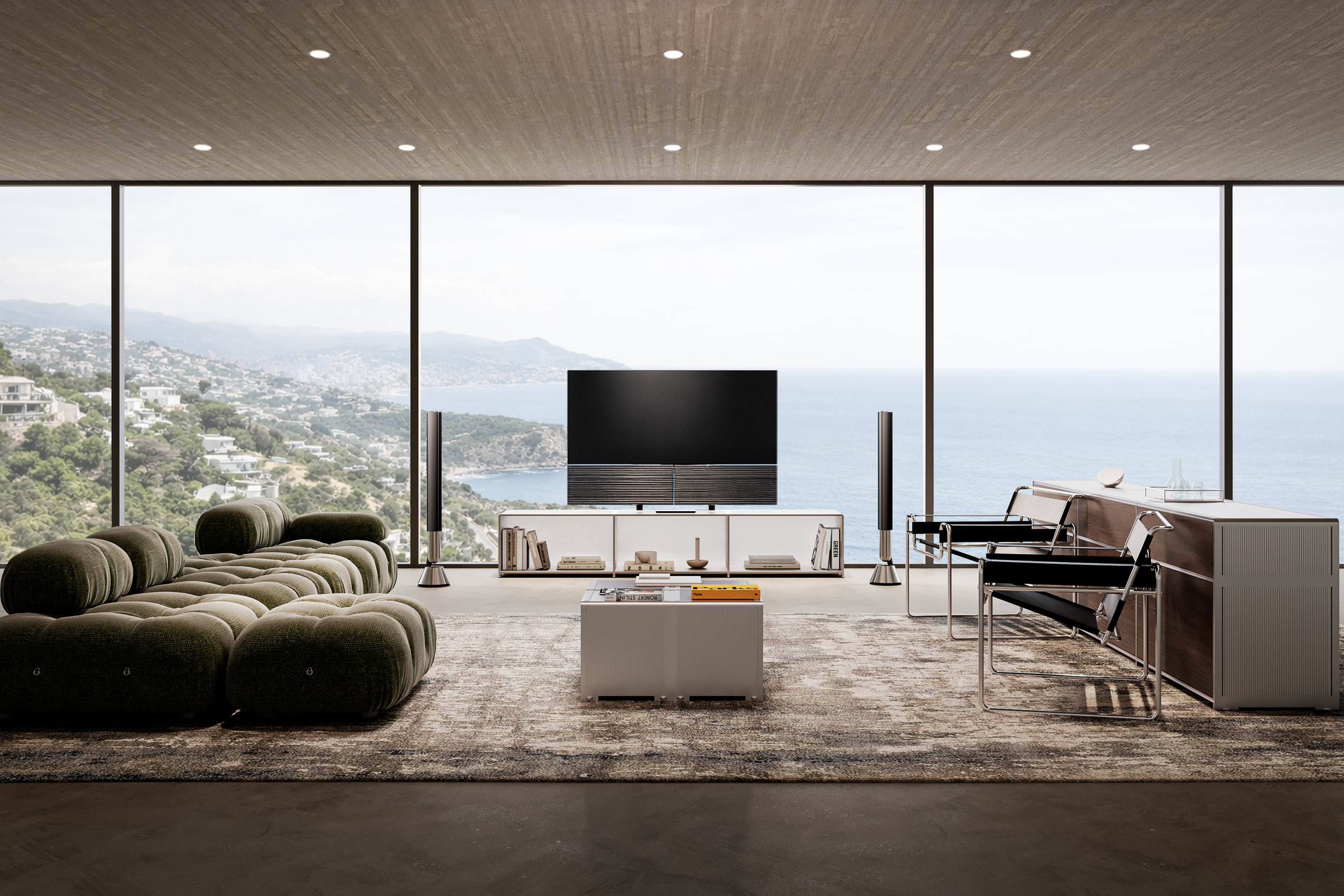
Research & Strategy
Before moving into concepts, I looked at the user, the market, and the visual landscape around modular furniture.
The research focused on three questions:
What do people expect from modular furniture beyond flexibility?
How do existing systems communicate quality, adaptability, and ease of use?
Where is the opportunity for a system that feels both functional and characterful?
This helped frame the project not only as a furniture design task, but as a system strategy.
Market moodboardCompetitor mappingUser needs mappingModular system references
Core Insight
Most modular furniture systems tend to go in one of two directions. Some clearly show their technical structure. Others hide almost everything to create a clean, minimal look. Both can work, but they create very different feelings.
This project explores the space in between: a system where structure is still functional, but also visible, intentional, and recognizable.
2-axis diagramLeft/right comparison“technical structure” vs “minimal hidden system”
System Analysis
I analyzed how different modular systems are built, assembled, and perceived. The focus was not only on how they work, but on how their construction changes the character of the product. I looked at joints, connectors, profiles, material changes, and assembly logic.
Key observations:
Users need modular systems to feel flexible, but also stable and trustworthy.
Joints shape the visual language, not just the assembly.
Exposed connections can make a system feel honest, technical, and architectural.
Hidden connections create a cleaner look, but can make the system feel more anonymous.
Material transitions influence whether a product feels industrial, domestic, or more approachable.
Joint / connector detail referencesProfile studiesExposed vs hidden connection examplesMaterial transition references
Design Directions
Based on the research, we structured several possible directions for the system. The goal was to understand what kind of identity the furniture could have before jumping into form.
Exposed Connections

Using joints and connection points as visible parts of the design language.

Hidden Systems

Reducing visible technical details to create a quieter and more seamless expression.

Custom Connectors

Using unique joint solutions to make the system more recognizable.

Flexible Assemblies

Allowing the system to adapt to different furniture types, spaces, and configurations.

Instead of asking only, “what should the furniture look like?”, we asked:

Who is this system for? How should it behave? What should people remember about it?
From Strategy to Concept
Using the research insights, we explored different structural concepts for a modular furniture system.
The goal was to balance:
user needs
market opportunity
aesthetic clarity
modular flexibility
material expression
manufacturability
usability in interior spaces
The bigger question was how a modular system could create its own language across different configurations.
Process diagramEarly concept sketchesExploration gridMaybe 3 concept thumbnails
Concept Directions
Concept 01 — Structural Expression
This direction uses visible joints and profiles as the main character of the system.
The connection is not hidden.
It becomes the part that gives the furniture its identity.
Concept 02 — Clean Integration
This direction creates a quieter and more refined expression.
Technical elements are reduced or concealed, so the system feels more seamless and visually calm.
Concept 03 — Softened Geometry
This direction uses softer transitions and rounded details to reduce the rigidity of modular structures.
The aim was to make the system feel more approachable in interior spaces, while still keeping its structural clarity.
Detailed design development, manufacturability, and final visualizations by Gökhan.
3 concept blocksHer concept için 1 büyük görsel + 2–3 cümleDetail crop varsa ekle
Outcome
The project resulted in a set of strategic design directions for a modular furniture system. Each direction explored a different relationship between user needs, structure, material, and product identity. Rather than presenting only one final product, the work created a framework for how modular furniture can develop a recognizable language through its construction details.
The outcome shows that modularity does not have to be purely functional or visually neutral. It can also feel expressive, intentional, and specific.
Reflection
This project reminded me how important it is to define direction before form. By studying how systems are built, connected, and perceived, we could turn structural observations into design principles.
For me, the value of the project was not only in the furniture concepts, but in using research to shape a system-level design language. Details like joints, connections, and material transitions are never just technical decisions. They are part of how a product communicates.