
Are Robots Shaped by Technology or by How We See Ourselves?
I’m at the Pinakothek der Moderne today.
Inside the Robotic Worlds exhibition.
And the same question keeps coming back:
Robots have been around for a long time.
So why do we still feel the need to make them look like us?
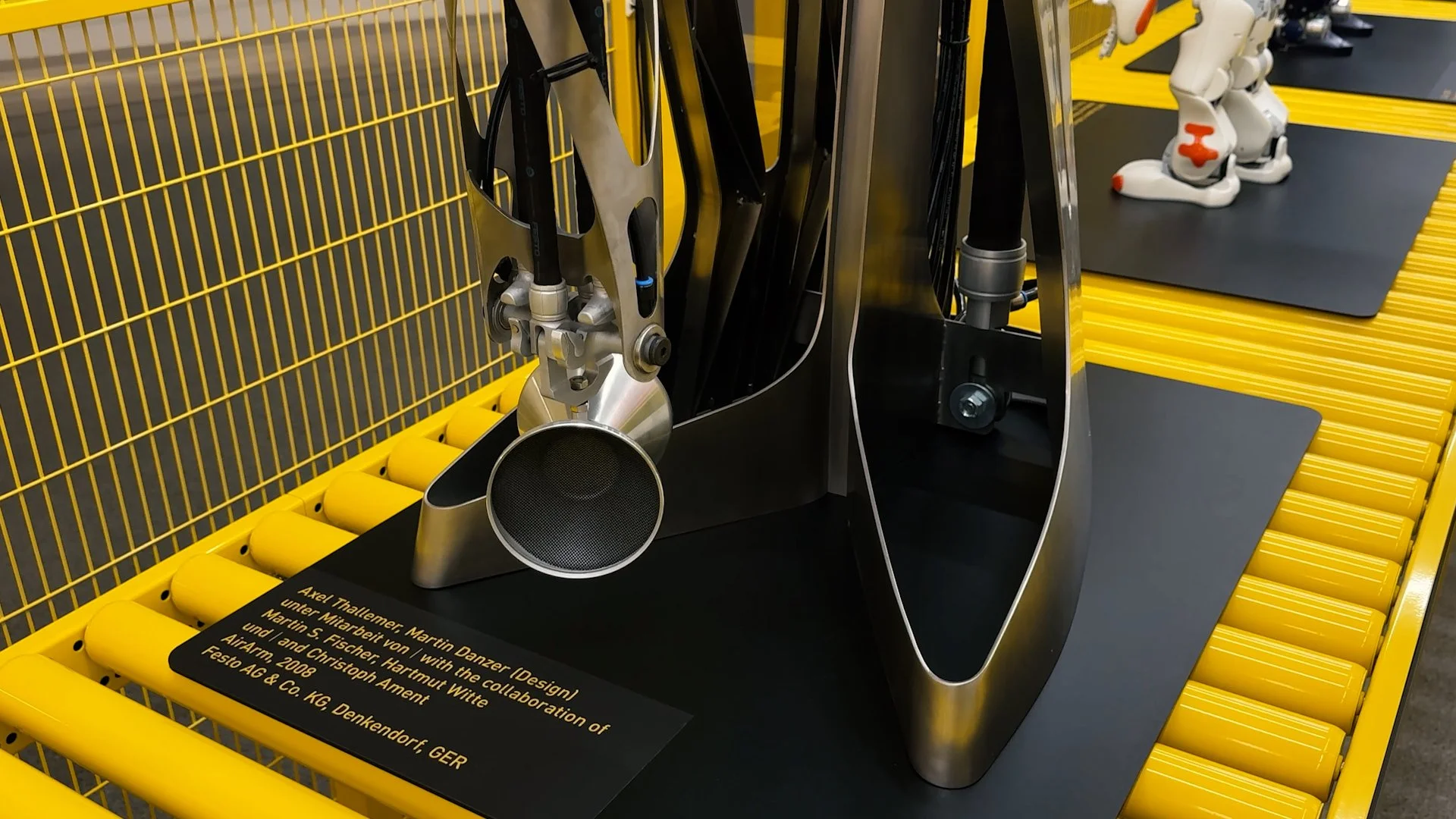
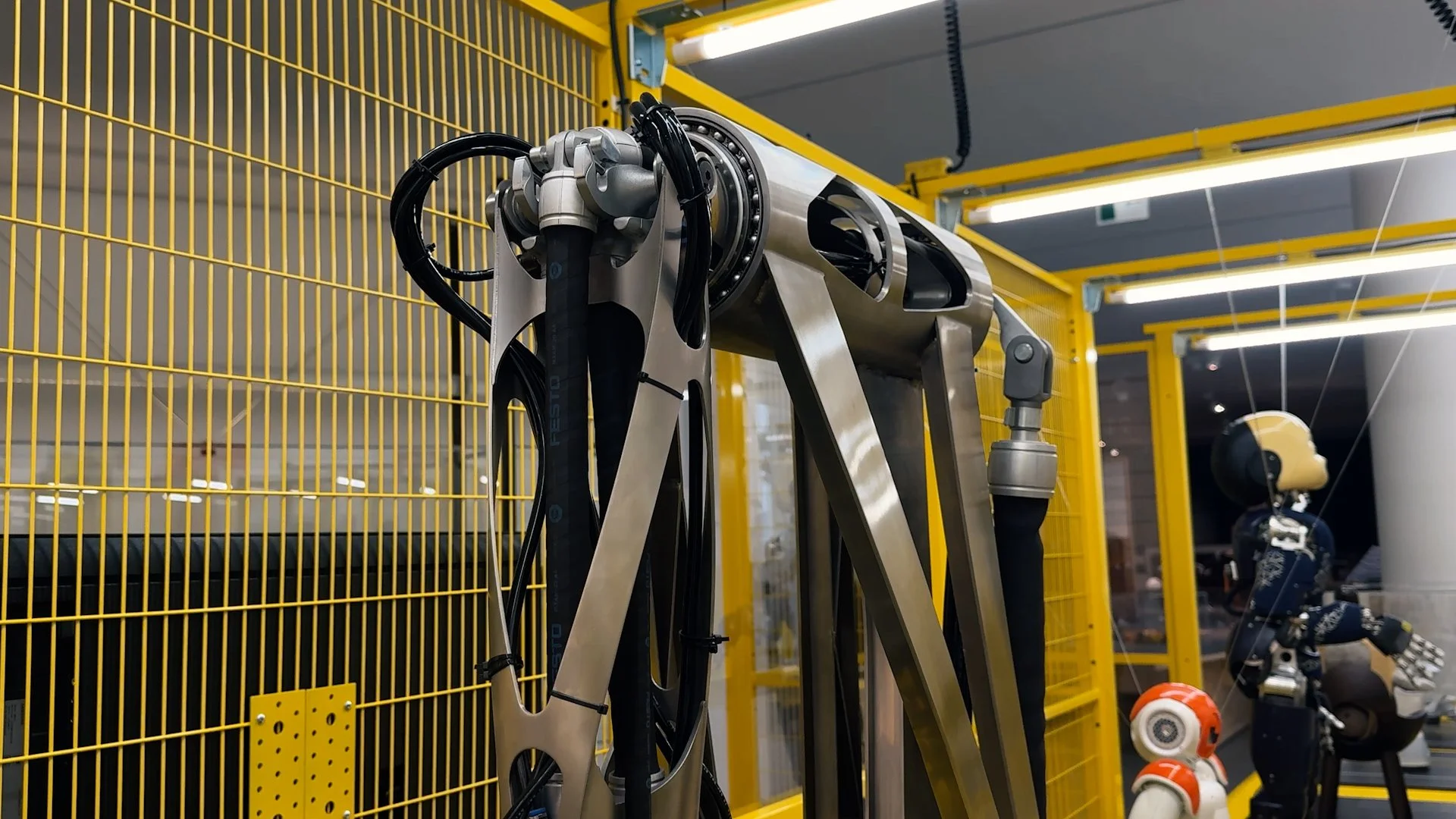
At the beginning of the exhibition, robots are very straightforward.
They move.
They repeat actions.
They’re mechanical arms, industrial systems, tools.
They don’t try to be anything else.
Then, slowly, that changes.
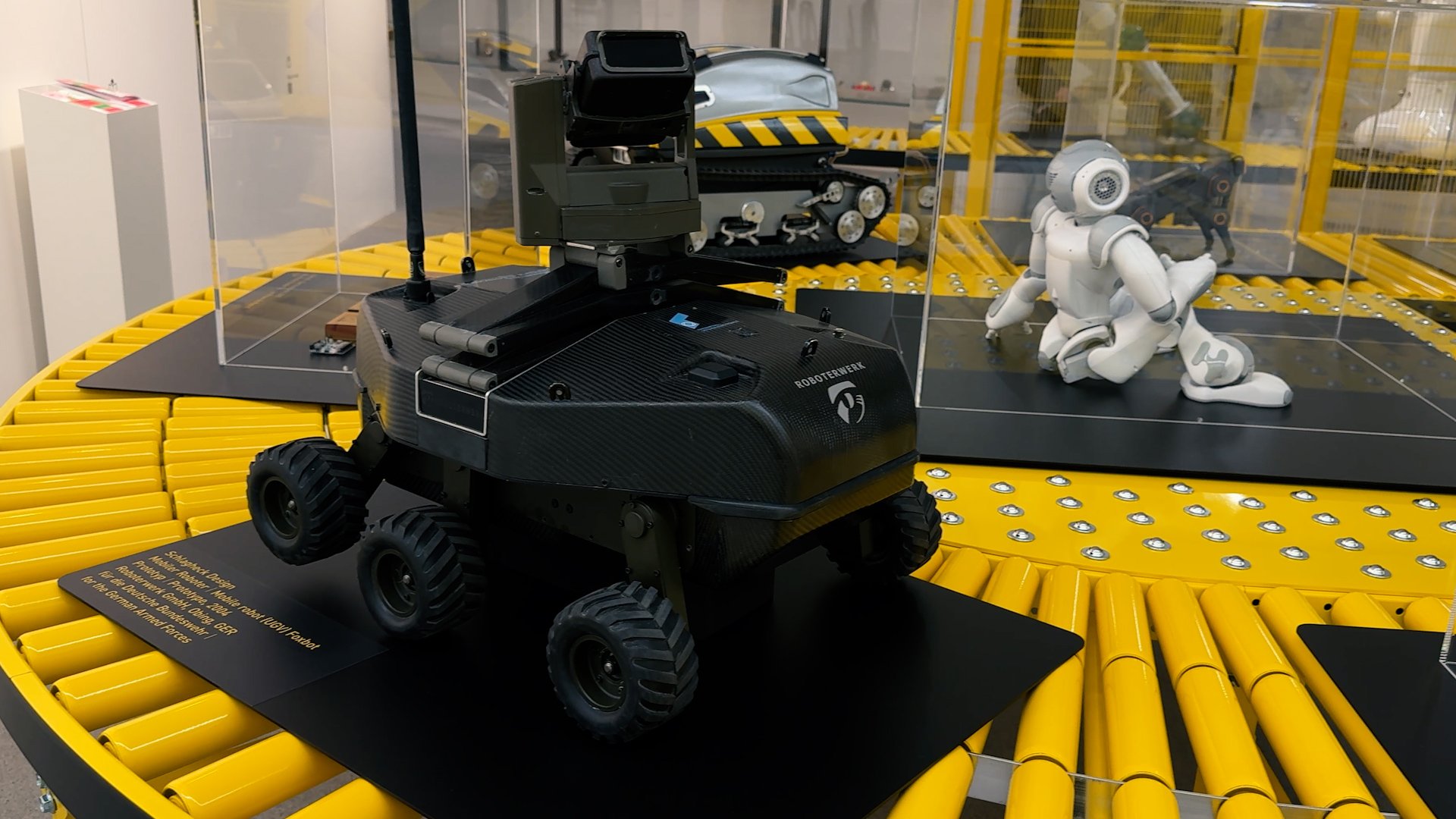
Robots stop being just machines that do a task.
They start gaining form.
Presence.
Almost a role.
At some point, they are no longer there to help humans.
They start standing in for them.
This idea feels familiar because we’ve seen it so many times before.
In films.
In stories.
In pop culture.
Think about Willy Wonka.
Factories run by machines.
Humans pushed out of the system.
Robots stop being “assistants” and become replacements.
And that shift is never shown as something neutral.
It’s always slightly unsettling.
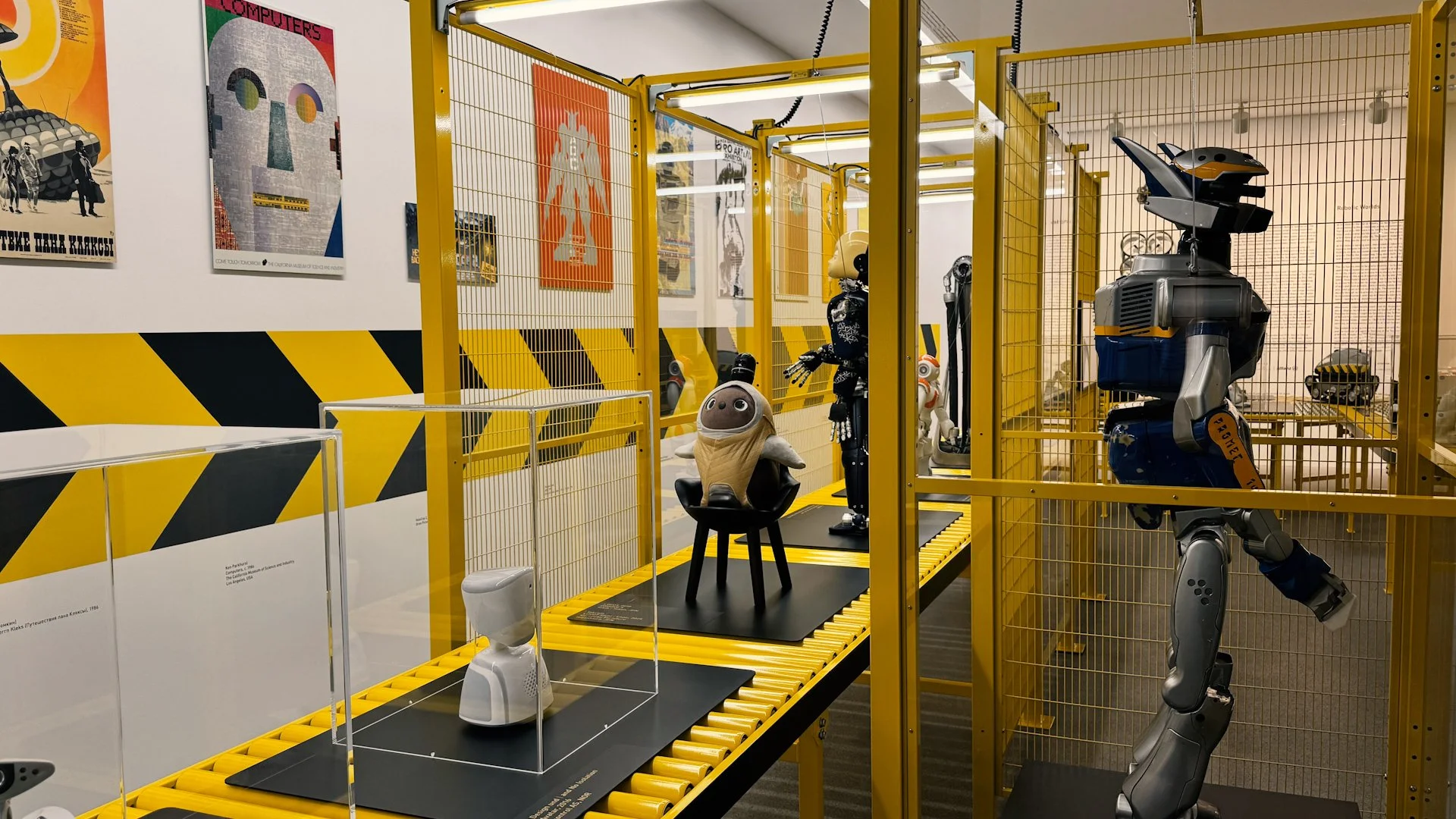
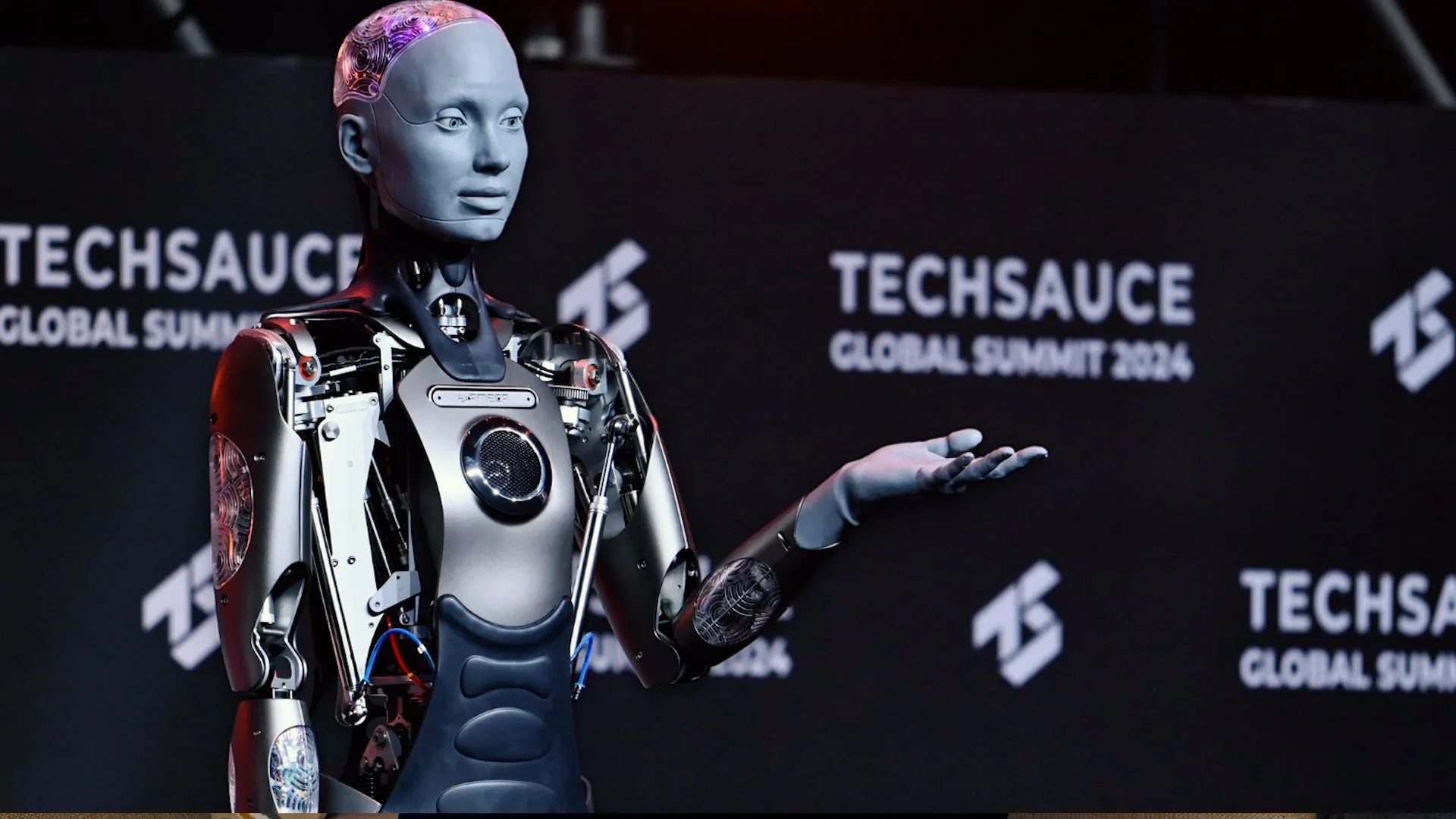
As time passes, robots become more human like.
Faces appear.
Expressions.
Eyes that look back at you.
Gestures that feel intentional.
And something interesting happens here.
The more a robot resembles a human,
the more uncomfortable we seem to get.
You can see this clearly today.
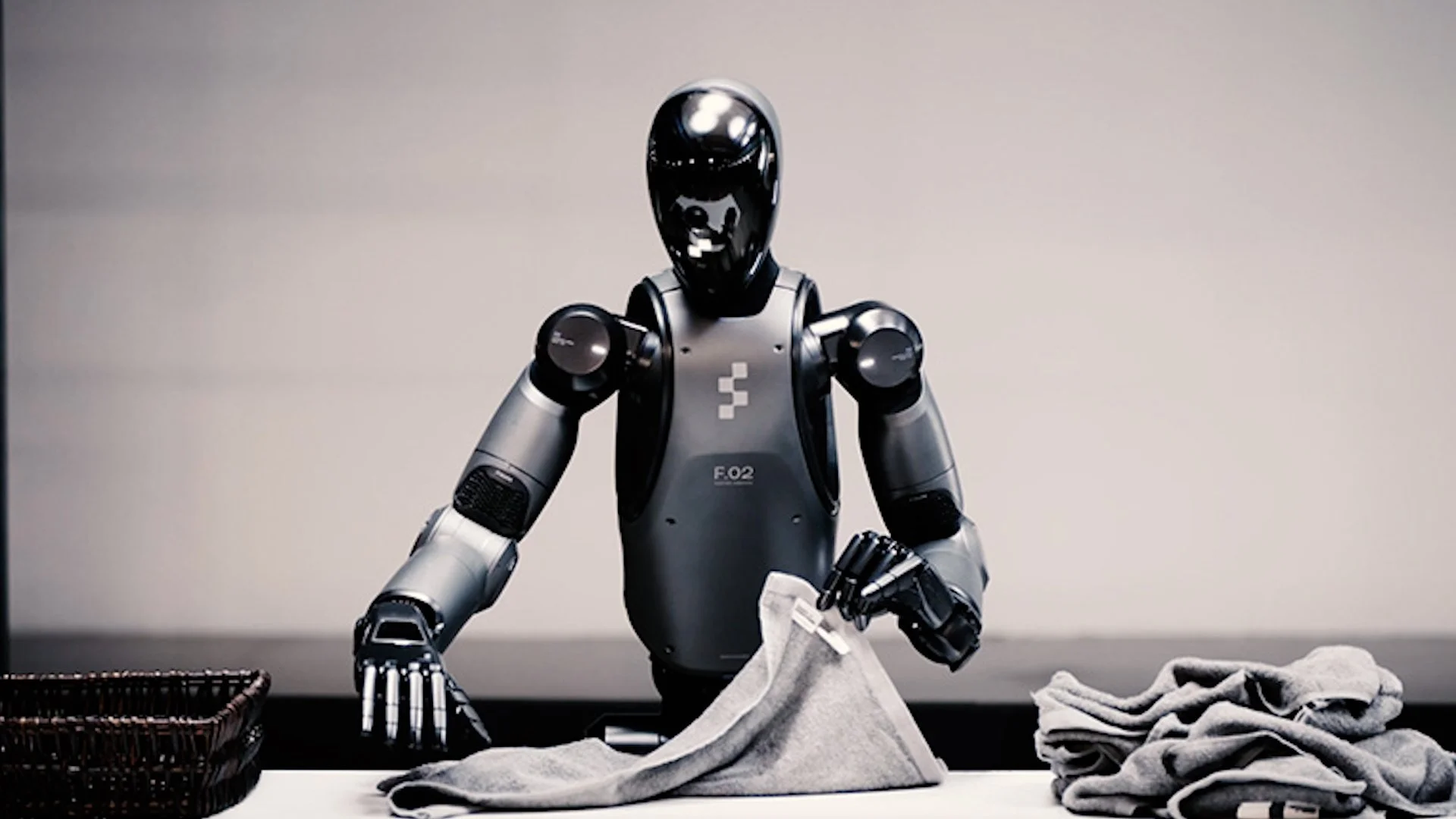
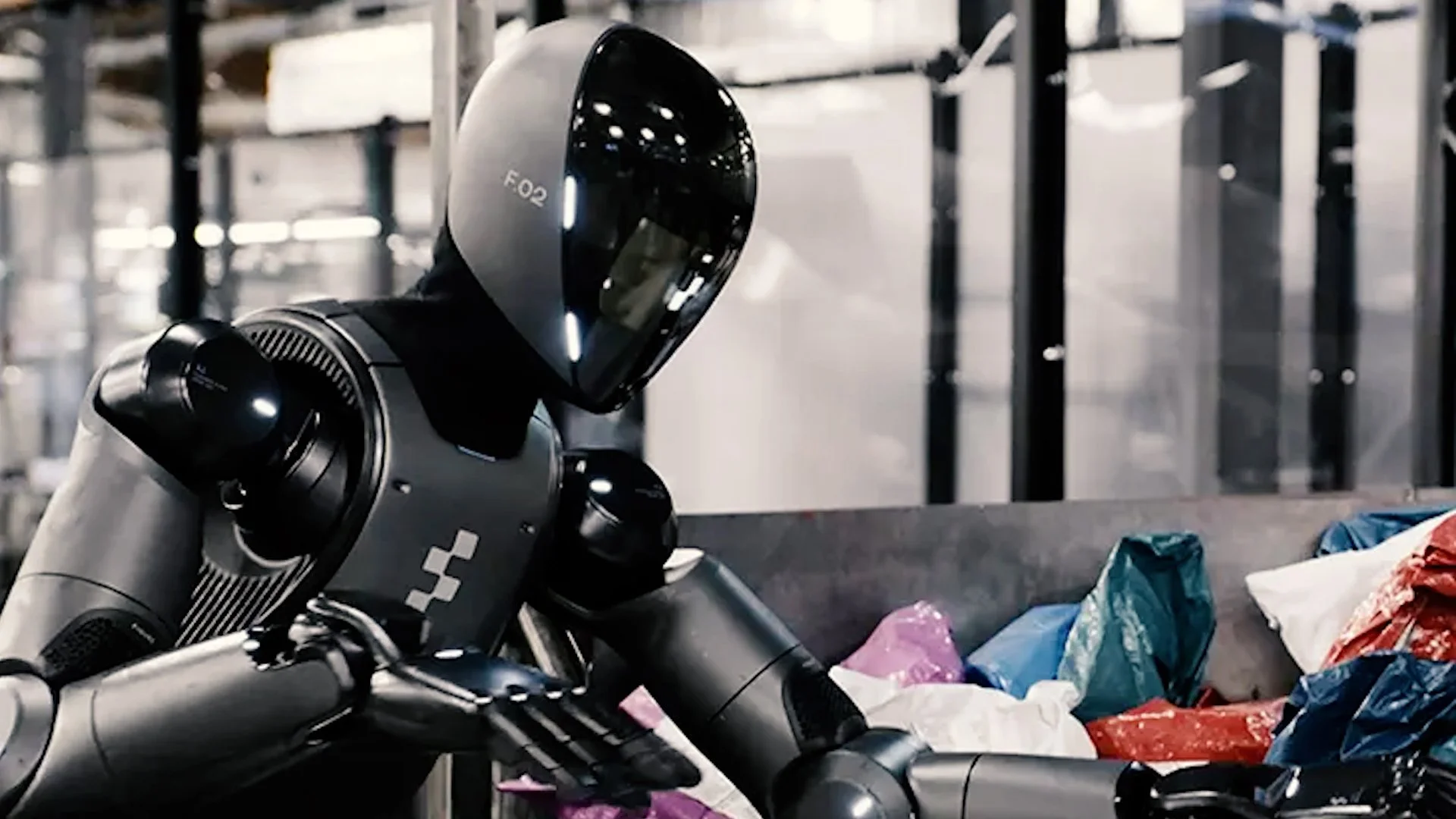
Humanoid robots that walk like us.
Carry objects like us.
Move with an almost familiar rhythm.
Some are so realistic they have skin texture.
A gaze.
Something that feels close to being alive.
And at that point, a very simple question shows up:
Do we actually need this?
Robots are already good at what they do.
They’re fast.
Strong.
Precise.
So why insist on giving them arms, legs, faces?
Is this about function?
Or is it about perception?
While walking through the exhibition, I kept thinking about those classic evolution diagrams.
You know the ones.
From animal to human.
Step by step.
It feels like we imagine robots the same way.
First: basic machines.
Then: something more familiar.
And eventually: something that looks like us.
But do robots really need to follow that path?
Or are we projecting our own way of understanding evolution onto them?
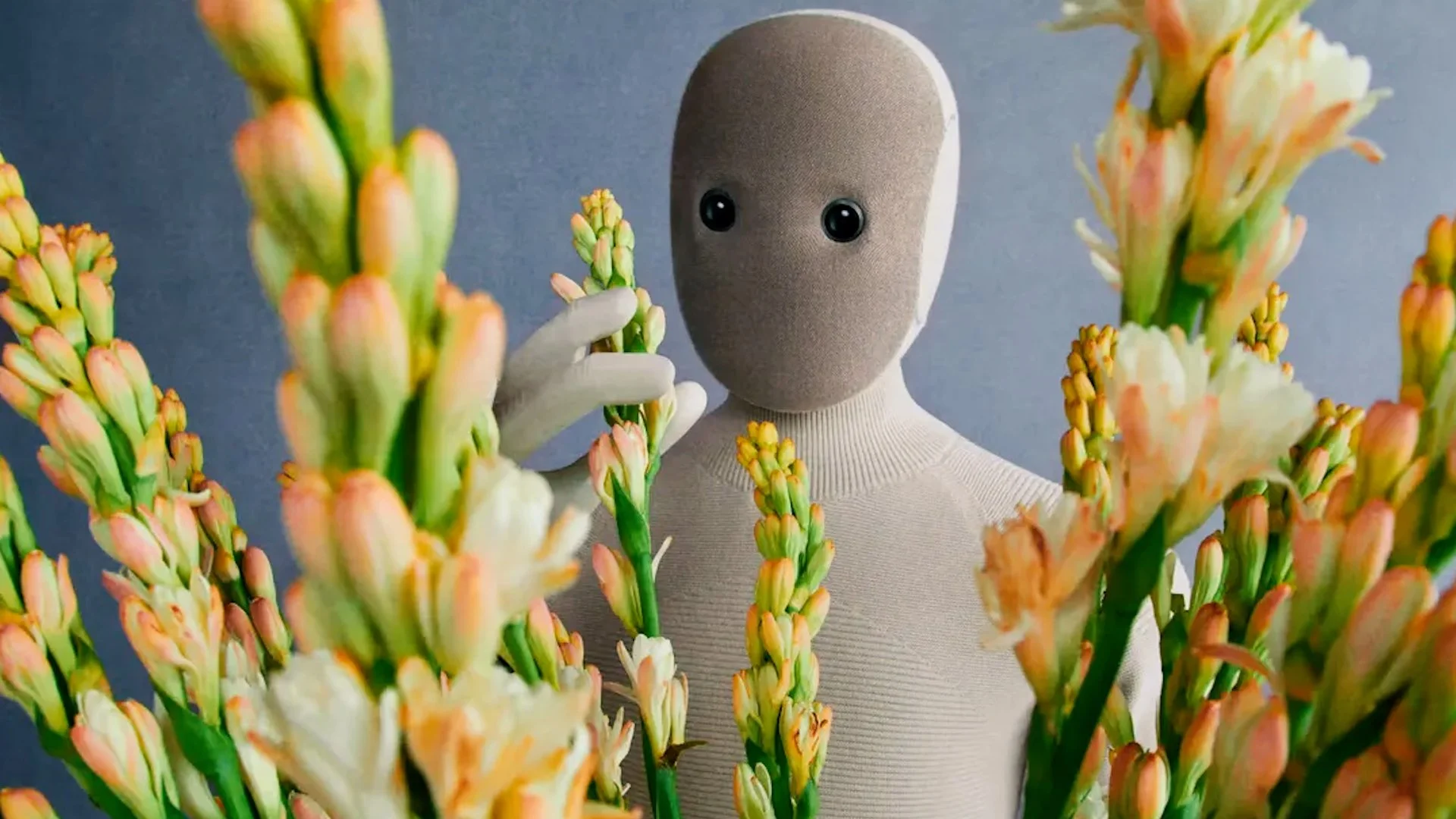
Maybe we humanize robots because it helps us relate to them.
Because familiar shapes feel easier to accept.
Easier to trust.
But sometimes it backfires.
The closer a robot gets to being human, the stronger the feeling becomes that something is off.
The question shifts from
“What can this do?”
to
“What exactly is this?”
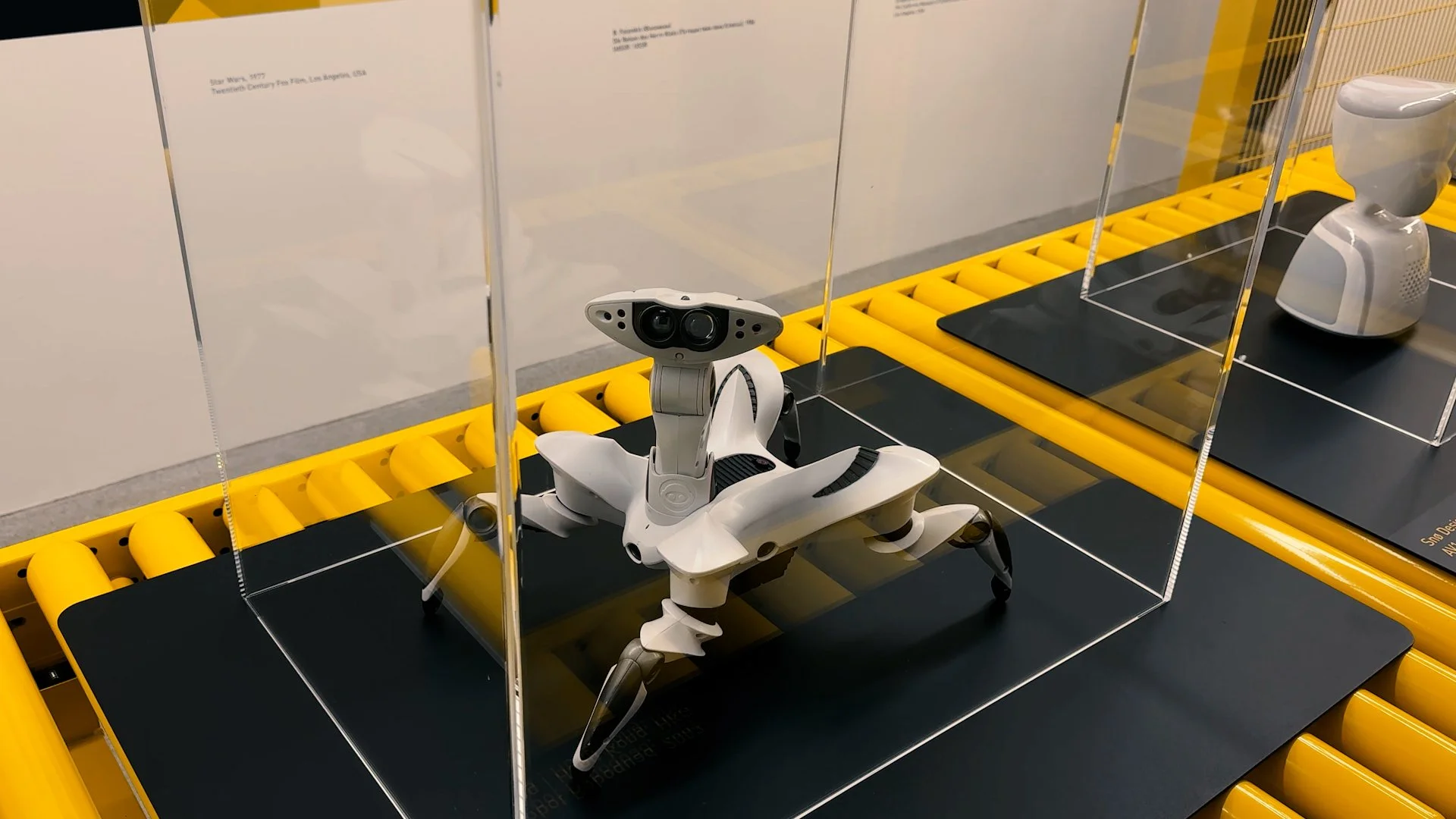
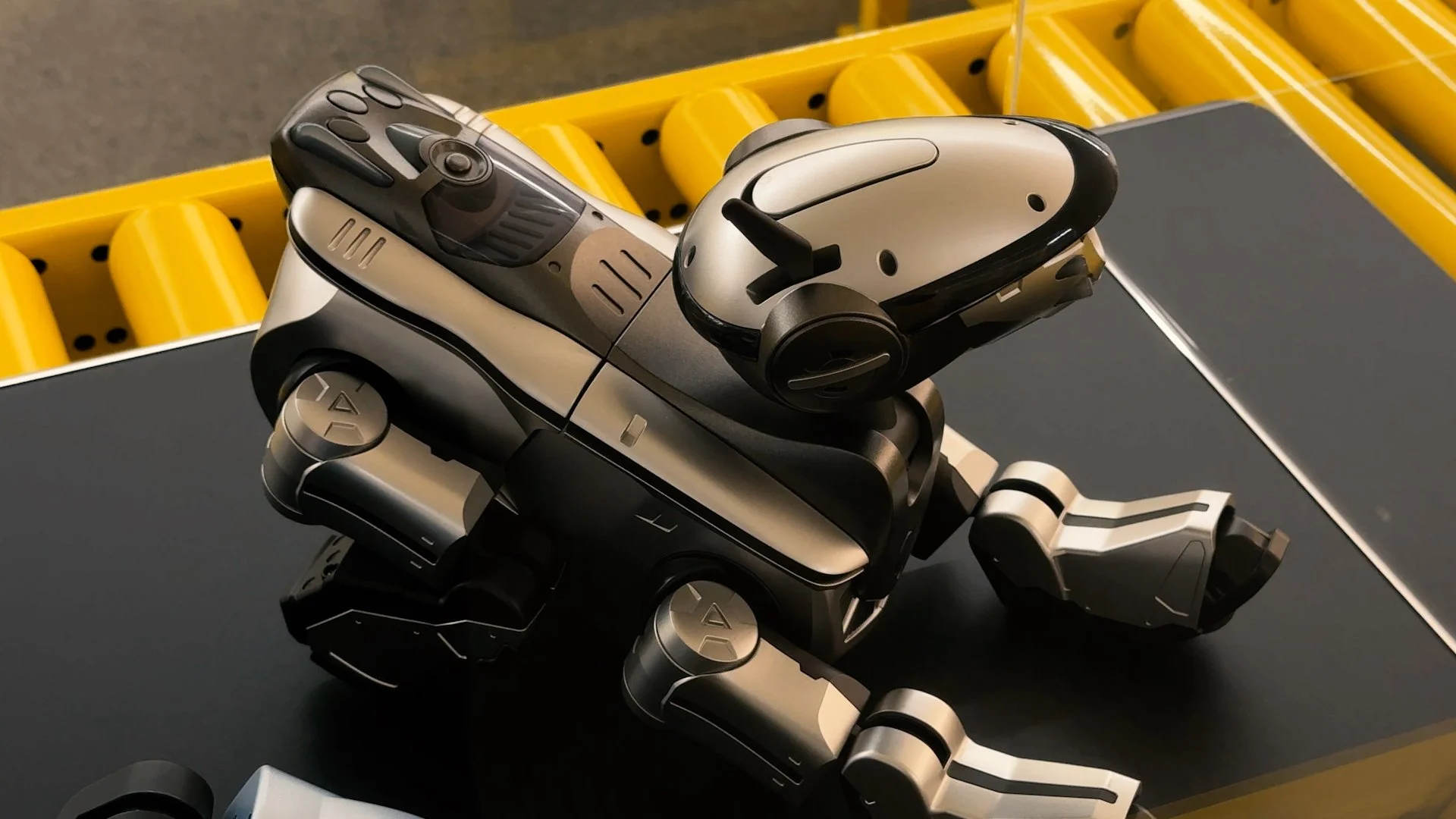
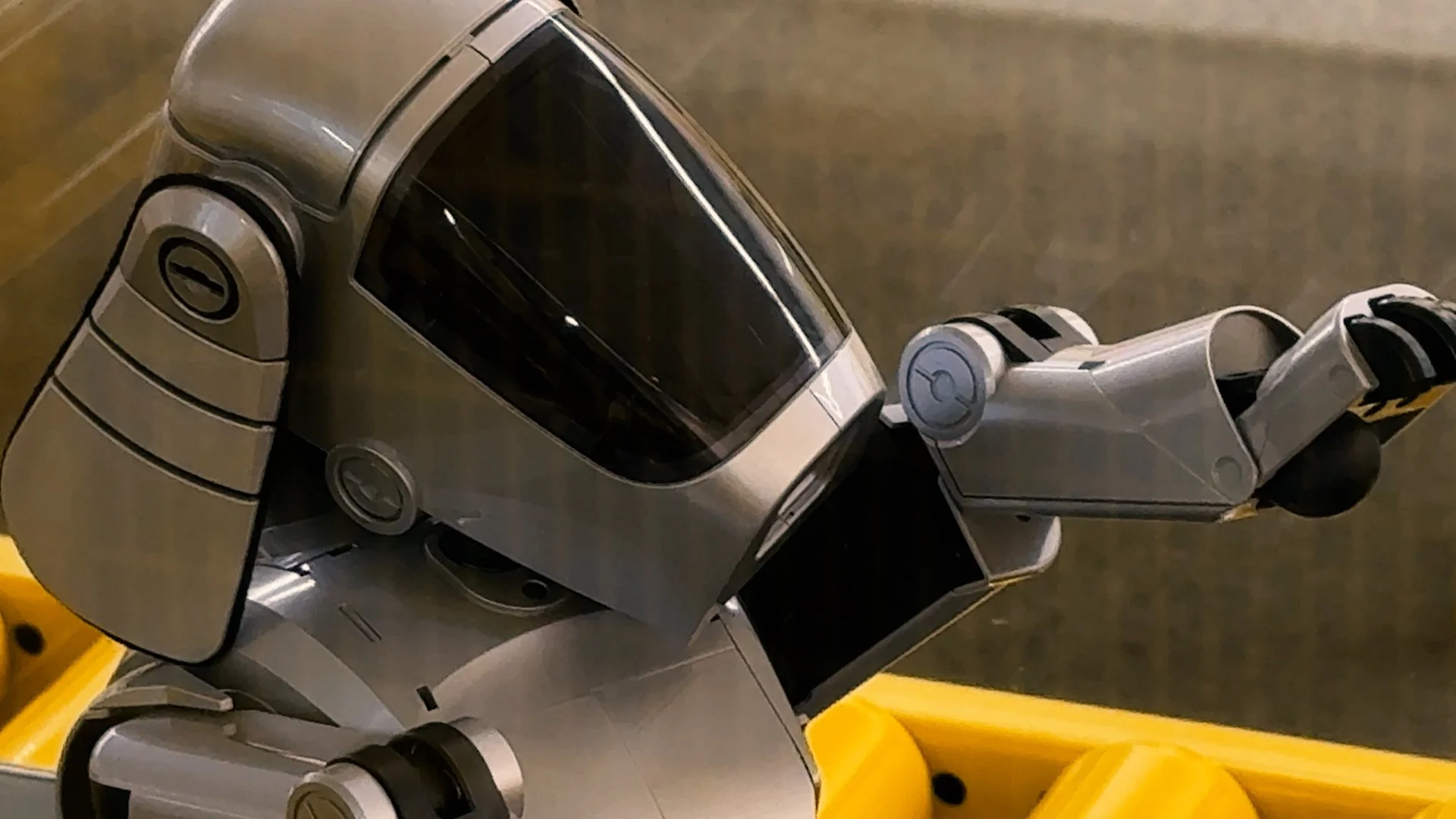
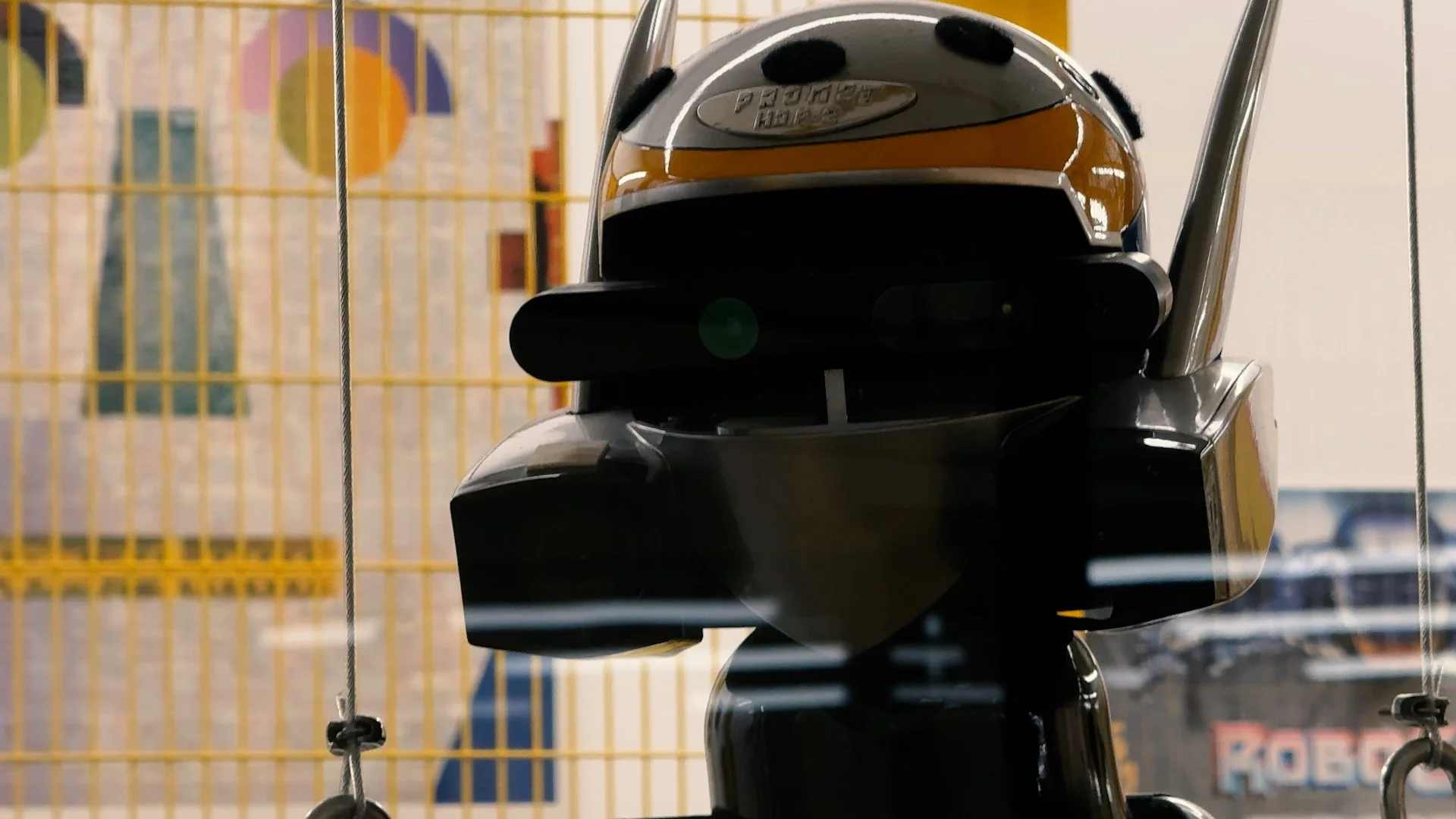
Walking through Robotic Worlds, one thing becomes clear:
The evolution of robots isn’t just about technology.
It’s about how humans see themselves.
Our bodies.
Our capabilities.
Our boundaries.
What we’re willing to recreate.
And what still feels uncomfortable to face.
So maybe the real question isn’t whether we are designing better robots.
Maybe it’s this:
Are we designing robots or slowly sketching out our own future in the process?
See More from Co-Hub
I also captured these same highlights in a short video for Co-Hub’s YouTube channel.
The video is in Turkish, but the insights are the same as what I’ve shared here.